
Mold Keeps Coming Back? Find the Cause & Fix It Permanently
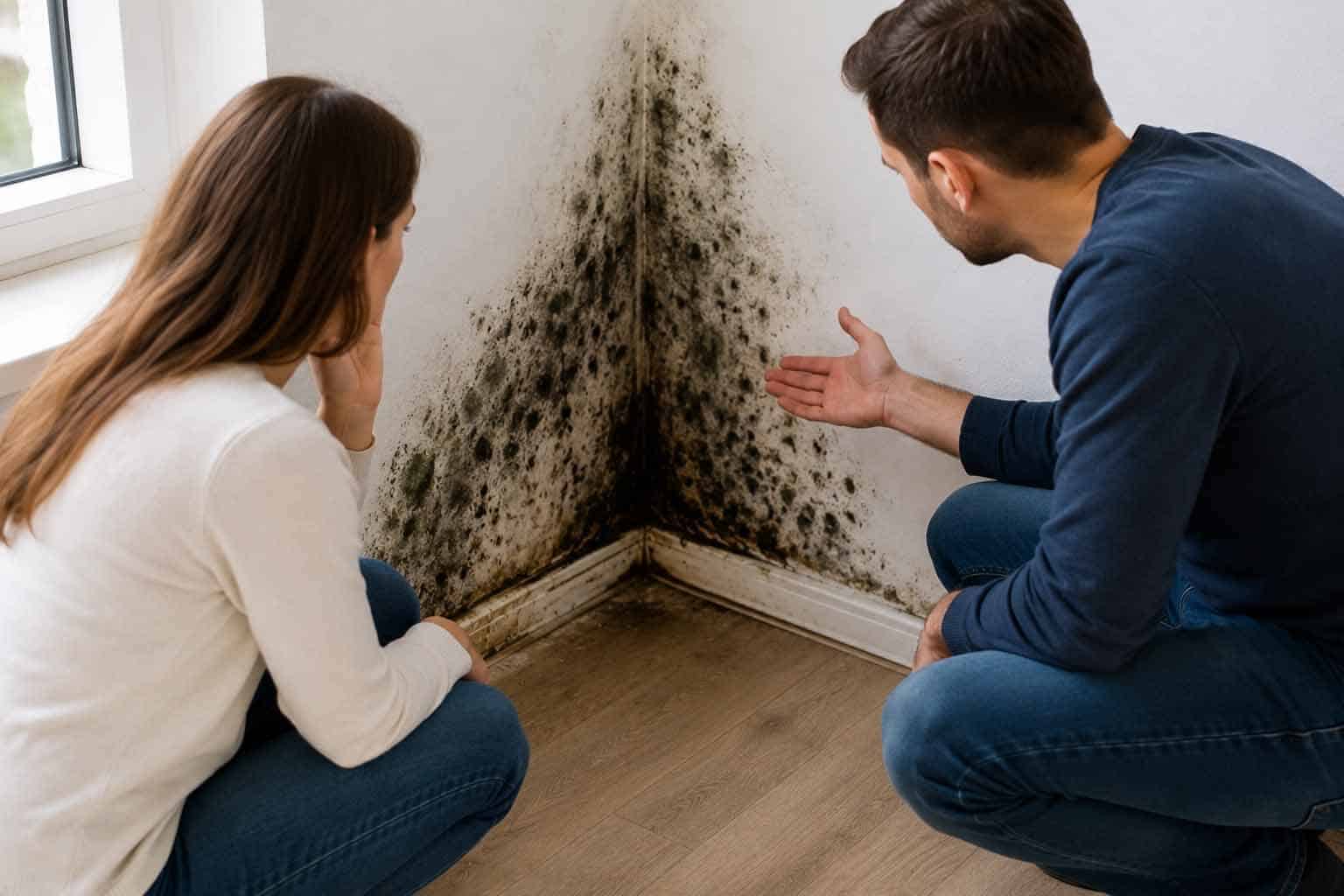
You must have cleaned that dark, stubborn patch in your bathroom or closet. Then, a few weeks later, the exact same spot develops those familiar, fuzzy dark specs all over again. It’s frustrating, and you might wonder why this is happening.
The truth is, mold doesn't usually come back because you cleaned it the wrong way. It comes back because the real problem was never fixed. Mold needs moisture to grow. If water is still getting into the same area, mold will keep returning no matter how many times you wipe it away.
So, in this blog, we'll explain why mold keeps coming back, what causes it, what it takes to get rid of it for good, and when professional mold abatement can really help.
|
Get a Professional Inspection Today - Call 816-726-0304 |
Why Does Mold Keep Coming Back After You Clean It?
Many homeowners think removing the dark stain means the mold is gone. Unfortunately, that's not always true.
Mold grows much deeper than what you can see. The spots on the wall or ceiling are often just on the surface. Tiny mold spores can spread into drywall, insulation, wood, or other porous materials. If these spores stay behind and moisture is still present, mold will start growing again.
Another common mistake is treating mold without finding out why it appeared in the first place. Was there a hidden leak? Is the room too humid? Is water getting in after every rain? Until those questions are answered, the mold problem usually continues.
What Causes Mold to Grow in the Same Spot?
If mold always shows up in the same place, you need to be alert because there’s definitely a hidden problem that’s being ignored.
1. A Hidden Water Leak
A slow plumbing leak behind a wall can go unnoticed for months. Roof leaks, damaged pipes, or leaking windows can also keep building materials damp. Even if the surface feels dry, moisture may still be trapped inside the wall.
2. High Humidity
Bathrooms, kitchens, laundry rooms, and basements often have more moisture in the air. Without good ventilation, that moisture settles on walls and ceilings, creating the perfect place for mold. If your bathroom mirrors stay foggy long after a shower, that's often a sign the room isn't drying out properly.
3. Poor Ventilation
Air that doesn't move allows moisture to stay in one place. In most homes, there's very little airflow in closets, storage rooms, garages, and areas behind large furniture. Over time, these hidden spaces can become mold hotspots.
4. Condensation
When warm, humid indoor air comes into contact with a cold structural surface, moisture drops out of the air. This occurs regularly on exterior walls missing proper insulation, single-pane window frames during cold mornings, and cold water supply lines running through warm crawl spaces or wall cavities
5. Mold Hidden Inside Walls
Sometimes the visible mold is only a small part of the problem. Water can soak insulation, drywall, or wood framing where you can't see it. The mold continues growing inside the wall until it finally appears again on the surface.
How to Know If Mold Is Behind a Wall?
You don't always need to see mold to know something is wrong. Mold presence behind the walls can simply be detected by a few warning signs.
- The same stain keeps returning.
- A musty smell never goes away.
- Paint starts bubbling or peeling.
- Drywall feels soft or swollen.
- Water stains appear after rain.
- Family members notice more allergy symptoms indoors.
If you notice one or more of these signs, it may be time to look beyond the surface or call a professional.
|
Need Professional Mold Abatement Services - Contact Us Now! |
How Do Professionals Stop Mold from Coming Back?
A professional mold remediation team has all the tools, detailed knowledge, and experience to quickly detect the hidden causes of mold growth and prevent it from coming back.
|
Steps |
How Professionals Work |
|
Advanced Moisture Identification |
Before any cutting or cleaning begins, technicians use thermal imaging cameras and invasive moisture meters to trace the exact source of water. This helps in detecting hidden pipe leaks, insulation voids, or exterior flashing failures without tearing down your walls blindly. |
|
Preventing Spore Spread |
Technicians set up physical plastic barriers and utilize commercial air scrubbers equipped with HEPA filters to create a negative air pressure environment. This keeps microscopic spores contained strictly within the work zone. |
|
Damaged Material Removal |
Porous items like heavily impacted drywall, insulation, and carpeting cannot be fully saved once the root structures are deep inside. These are removed and sealed in heavy bags for safe disposal. |
|
Deep Mold Remediation |
Remaining non-porous and semi-porous structural elements are thoroughly cleaned using professional-grade antimicrobial treatments that sink deep into the grain. The space is then dried down to a normal target moisture content using commercial-grade dehumidifiers. |
Simple DIY Steps to Prevent Mold from Returning
While no home is completely immune to mold, these simple habits can reduce the risk.
- Fix plumbing leaks as soon as possible.
- Use bathroom and kitchen exhaust fans.
- Keep indoor humidity below about 50% when possible.
- Clean gutters so rainwater drains properly.
- Check your attic and crawl space for moisture.
- Move furniture slightly away from outside walls to improve airflow.
- Dry wet carpets, drywall, or flooring quickly after water damage.
Taking care of small maintenance jobs today can prevent much bigger repairs later.
Frequently Asked Questions About Recurring Mold
1. Can I just paint over the mold spot with a specialty water-resistant paint?
Painting directly over active growth is a temporary fix that fails very quickly. Specialty mold-resistant or stain-blocking primers are designed to protect clean surfaces from future airborne spores, not to kill or contain a live colony hidden behind the surface.
If you apply paint over an active patch, the roots will simply consume the organic elements of the drywall paper beneath the paint, eventually blistering the new paint layer and breaking through again. The underlying moisture source must be completely resolved, and the contaminated material properly remediated, before any cosmetic refinishing or painting takes place.
2. Why does mold keep appearing specifically in my closet or bedroom corner?
Closets and bedroom corners often don't get much fresh air. When clothes are packed tightly against an outside wall, moisture can get trapped behind them. If the wall is cold, mainly during winter, that moisture can turn into condensation, creating the perfect place for mold to grow.
If mold keeps coming back in the same spot, there may also be a hidden insulation or ventilation problem. An experienced mold remediation can find the cause and recommend the right solution.
3. How does the Central Valley climate impact indoor mold growth?
The climate in regions like the Greater Sacramento area creates distinct seasonal mold challenges for local properties.
- During the hot, dry summer months, running air conditioning units constantly cools down interior drywall surfaces. If humid air leaks into wall cavities from crawl spaces or unsealed exterior vents, it hits that cool interior drywall and condenses instantly.
- During the rainy winter season, elevated outdoor humidity combines with pooling rainwater against concrete foundations, driving moisture up into baseboards and floor joists.
That’s why it’s important to call a certified mold abatement. They are aware of these local climate patterns and regional architectural styles and can take the responsibility of eliminating mold from your home completely.
Takeaway
If mold keeps coming back in the same place, the real problem is the moisture. Cleaning the surface may hide the mold for a while, but unless the water source is found and fixed, it will likely return. The sooner you identify the cause, the easier it is to protect your home and avoid more expensive repairs later.
Read More About:
- Mold Growth in Summer: Causes, Risks, and How to Prevent It
- Is It Mold or Dirt? 11 Common Places to Check in Your Home
- How Indoor Air Quality & Mold Prevention Impact Healthy Living
- Mold in HVAC & Air Ducts: Signs, Health Risks & Safe Cleaning
Stop Mold at the Source with the Help of JM Environmental Inc.
If you’re also dealing with recurring mold in your Sacramento home, JM Environmental can help.
With more than 30 years of experience, our skilled team carefully inspects your property, identifies the source of the moisture, removes affected materials when necessary, and helps prevent mold from returning.
JM Environmental Inc. is a fully licensed team (California License #693564 A, B, C-21, C-22, ASB, HAZ) and (Nevada License #0073480 A-13, A-22, A-23). We’re well aware of the local climate in the Greater Sacramento area and follow all the local codes, so there’s no problem later.
As an A+ rated company by the BBB, we’re locals' first choice for mold abatement Sacramento, mold remediation Sacramento, and mold removal Sacramento. We also provide safe services for asbestos abatement, demolition, lead removal, fire debris removal & cleanup, and biohazard remediation.
Call us at 866-726-0304 to schedule an inspection and book your services.