
How Indoor Air Quality & Mold Prevention Impact Healthy Living
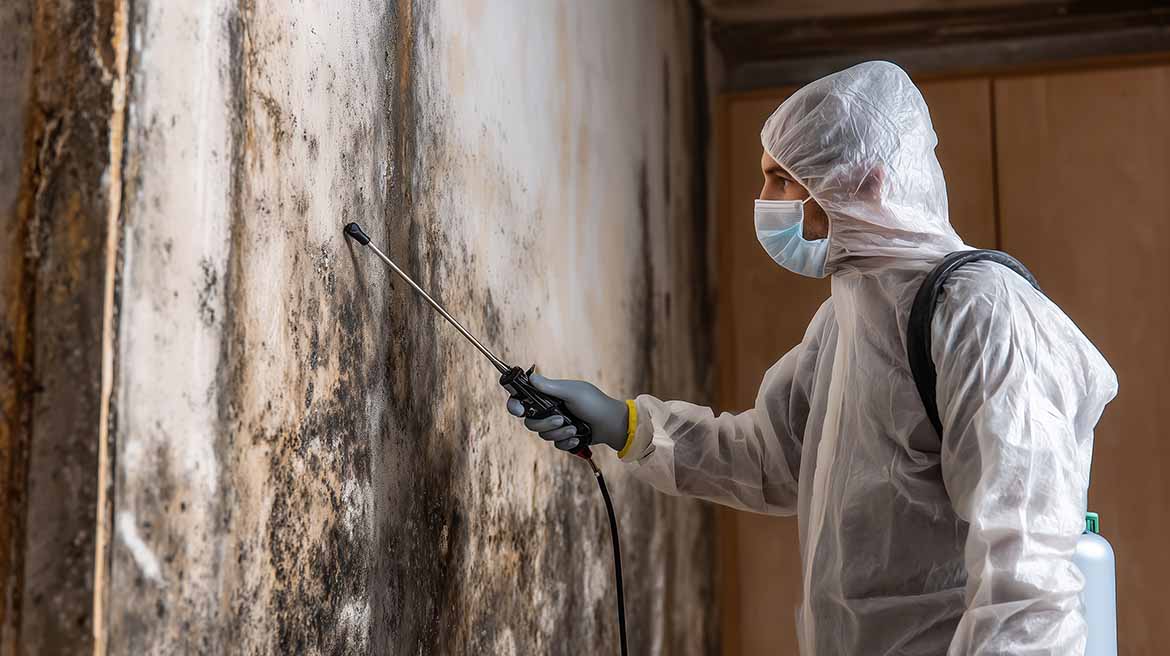
When people think about healthy living, they usually focus on diet, exercise, and sleep. But there is another important factor that many homeowners overlook - indoor air quality.
According to a study, most Americans spend about 90% of their time indoors. When you’re at home, in the office, or browsing the shops downtown, the air you breathe isn’t always as fresh as it seems. You may not believe it, but the indoor air can be 2-5 times more polluted than outdoor air.
One of the biggest reasons behind unhealthy indoor air is mold growth. Mold develops when moisture and poor ventilation combine, and it can quickly spread through walls, ceilings, and HVAC systems.
In this blog, we’ll explain how indoor air quality impacts healthy living and how mold prevention and mold removal can help in maintaining a safe home environment.
|
Stop Mold Before It Spreads - Contact Us Now! |
The Hidden Connection Between Mold and Air Quality
Mold is a type of fungus that thrives in moist environments. It reproduces by releasing microscopic spores that float through the air. Once airborne, these spores can travel throughout the home. They often settle in places like HVAC systems, carpets and upholstery, drywall and insulation, wooden structures, bathrooms, and basements.
Why Should You Care About Mold Spores?
When you inhale mold spores, your body reacts. For many, it starts with minor symptoms.
- Sneezing and a runny nose
- Red, itchy, or watery eyes
- Skin rashes or dermatitis
Anyone in your home can start experiencing these problems. But for those with asthma or weakened immune systems, the stakes are even higher. Research states that damp indoor spaces are strongly associated with new-onset asthma and severe respiratory infections.
This is one of the main reasons indoor mold problems should never be ignored. If mold growth is affecting your home, contacting professional mold removal or mold remediation can help identify the source, remove mold, and restore healthier indoor air.
Signs Mold May Be Affecting Your Indoor Air
Mold may not always be visible on the surface because it sometimes hides behind walls or under flooring. But it can still affect your indoor air quality. There are several warning signs that homeowners should watch for.
- A damp, earthy smell often indicates mold growing in hidden areas like walls, basements, or air ducts.
- Sneezing, coughing, itchy eyes, or congestion indoors may be caused by airborne mold spores.
- Black, green, or white patches suggest that mold colonies are already active and are now developing on surfaces.
- Stains, peeling paint, bubbling drywall, or warped wood often point to moisture problems that allow mold to grow.
- Poor indoor air quality caused by mold exposure can sometimes lead to headaches or unusual tiredness.
If you've noticed any of these issues in your home, it might be time to consider mold abatement before the problem spreads.
Simple Ways to Prevent Mold and Improve Indoor Air
Mold can grow in any home if moisture levels are not controlled. The good news is that a few simple habits can help prevent mold growth and keep your indoor air clean and healthy.
- Try to keep indoor humidity between 30-50%.
- Repair plumbing leaks, roof damage, or foundation cracks.
- Use exhaust fans in kitchens and bathrooms to improve ventilation.
- Regular HVAC maintenance prevents mold from spreading through air ducts.
- Wet materials should be dried within 48 hours to prevent mold growth.
|
Professional Mold Removal - Schedule Your Appointment! |
DIY Mold Cleanup vs. Professional Mold Abatement : What’s the Right Choice?
If mold is already growing in your home and you’re starting to notice its effects, like musty odors, allergy symptoms, or visible spots, it’s important to remove it as soon as possible. But you may be wondering whether you should try DIY mold cleanup or call professionals for mold abatement.
Below, we bring a simple comparison between both methods to help you understand the differences and make the right choice.
|
DIY Mold Cleanup |
Professional Mold Abatement |
|
Suitable for very small mold patches. |
Best for moderate to severe mold problems. |
|
Usually limited to visible surface mold. |
Identifies hidden mold behind walls or flooring. |
|
Household cleaners may remove stains but not spores. |
Uses HEPA filtration and containment to stop spores from spreading. |
|
Risk of mold returning if the moisture source isn’t fixed. |
Includes moisture detection and prevention strategies. |
|
Note - Professionals should typically handle mold covering more than 10 square feet to prevent cross-contamination. (Source) |
Frequently Asked Questions About Indoor Air Quality and Mold
1. How quickly can mold grow after water damage?
Mold can start growing quickly, within 24-48 hours after moisture appears. When materials like drywall, wood, or carpets stay damp, mold spores in the air can settle on these surfaces and begin to grow. That’s why it’s important to dry water-damaged areas quickly to help prevent mold from spreading.
2. How much does mold remediation cost in California?
The cost of mold remediation may vary. It mainly depends on the size of the affected area and how severe the mold growth is. Small, isolated areas may cost around $500 to $1,500, while larger projects, such as attic or whole-home remediation, can cost more.
Because every situation is different, it’s best to schedule a professional inspection. A reliable mold abatement will assess the damage first before providing a clear estimate so you understand the scope and cost of the work before it begins.
3. Does air testing always detect mold problems?
No. Air testing can sometimes detect mold spores, but it doesn’t always reveal the full problem. Mold often grows in hidden and damp areas, like behind walls, under flooring, or inside HVAC systems. Because of this, a professional mold remediation team usually relies on visual inspections, moisture detection tools, and building assessments, along with air testing, to accurately identify mold issues.
Takeaway
Clean indoor air is very important for healthy living. Yet many homes struggle with hidden mold problems that quietly affect their indoor air quality. By controlling moisture, improving ventilation, and addressing mold early, you can protect your family and property from the harmful effects of poor indoor air quality.
If you notice musty odors, allergy symptoms, or visible mold spots in your home, it’s important not to ignore them. Taking action early can help prevent the problem from spreading and causing further damage.
Read More About:
- Mold vs Asbestos vs Lead Removal: What You Should Know
- Mold Removal Made Simple: Concrete Floors, Walls & Patios
- How to Identify Toxic Mold and What Steps to Take for Safe Mold Removal
- Why Dry Fogging Doesn’t Work for Mold Remediation?
Restore Healthy Indoor Air With JM Environmental Inc. - The Most Trusted Mold Abatement in Sacramento
When you look for mold remediation in Sacramento, you need a team that understands local building codes and the specific climate stressors of the Central Valley.
At JM Environmental Inc., we have been providing mold abatement Sacramento for over 30 years.
Our mold removal treatments are designed according to the EPA guidelines. Our skilled professionals use containment barriers, HEPA filtration, and specialized cleaning methods to remove mold while preventing spores from spreading. We use modern equipment and safety procedures to eliminate mold safely.
Call us at 866-726-0304 to schedule an inspection and take the first step toward cleaner, healthier indoor air.