
Is It Mold or Dirt? 11 Common Places to Check in Your Home
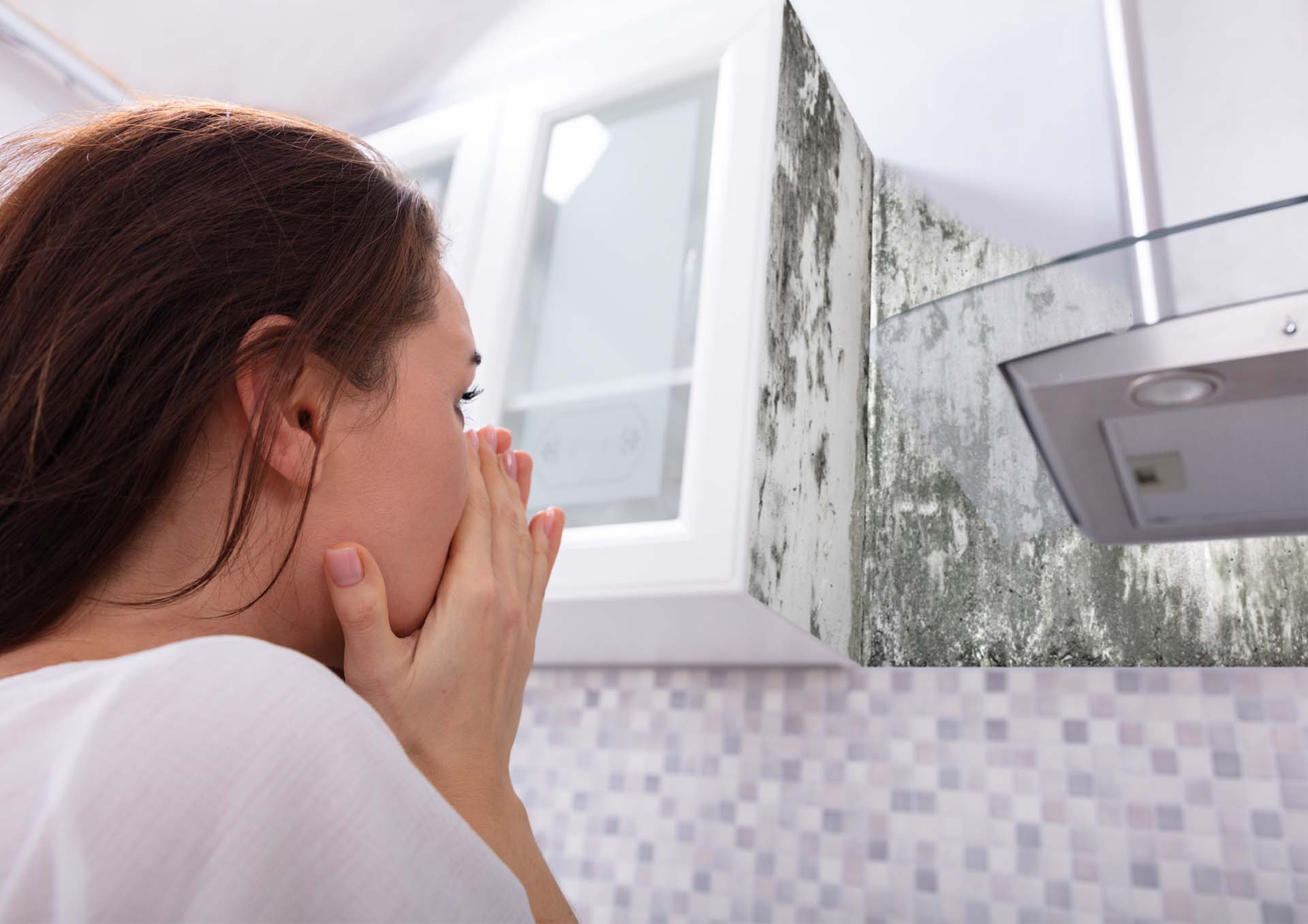
When you notice dark spots on your bathroom ceilings, a grime-like build-up behind furniture, or smudges along the window frames, you likely know you have a "mold problem" to deal with. However, it is easy to confuse mold with common household dirt, and this is where things get tricky. If the problem is misidentified, it can quickly escalate.
Oftentimes, the mold disguises itself as dirt and is thus ignored until the infestation spreads. This puts both your health and home at risk. If left unchecked, mold significantly degrades indoor air quality, which can lead to chronic respiratory issues and illness. This is why we recommend identifying early mold development and getting it removed before it becomes a major hazard for you, your family, and your pets.
|
Get Expert Mold Removal Today - Call 866-726-0304! |
Mold vs. Dirt: The Difference
Generally speaking, dirt is harmless and easy to clean, whereas mold is a living organism that grows and thrives in humid environments. Let us take a look at the main differences:
|
Factor |
Mold |
Dirt |
|
Nature |
Is living and a type of fungus |
Is non-living and includes dust, soil, debris |
|
Appearance |
Is fuzzy, slimy, patchy, or speckled; colored black, green, white, or brown |
Is dry, powdery, or gritty; colored brown, gray, or black |
|
Smell |
Has a musty, damp, or earthy odor |
Generally odorless |
|
Growth Behavior |
Spreads when left unchecked |
Does not spread |
|
Reaction to Cleaning |
Can fade temporarily but also returns if left untreated |
Can be easily removed and does not return quickly |
|
Preferred Environment |
Damp, humid, badly ventilated areas |
Can ‘develop’ anywhere |
|
Health Impact |
Leads to allergies, respiratory issues, and skin irritation |
It is harmless, except for special cases of excessive dust allergies. |
|
Surface Damage |
Can stain, weaken, or damage materials with time |
Generally does not damage surfaces |
|
Common Locations |
Develops in basements, bathrooms, under sinks, HVAC systems, and walls |
Develops in floors, shelves, furniture, and open surfaces |
|
Moisture Dependence |
Needs moisture to grow |
No moisture required |
|
Professional Help Needed |
Usually requires mold remediation services |
No professional expertise needed for removal |
11 Common Places to Check for Mold in Your Home
Let us take a look at the most overlooked areas where mold is mistaken for dirt. Regularly inspecting these areas can help you detect the mold issue early on.
1. Bathroom Ceilings and Corners
The steam from hot showers and poor ventilation makes this the #1 spot for mold growth. Be cautious of green and black spots near vents or the corners.
2. Window Sills and Frames
Mold growth that looks like grime and dust results from condensation buildup. The condensation feeds the mold spores.
3. Under Sink
Constant dripping and leaky pipes cause mold growth in cabinets. Even a tiny leak can create a large mold colony when ignored.
4. Behind Furniture
A lot of times, moisture is trapped behind furniture placed against the walls, and as the airflow is blocked, it results in mold formation.
5. HVAC Vents and Ducts
Accumulation of dust along with humidity results in molds within the vents, thus spreading spores throughout your home.
6. Basement Walls
The basements of most homes are common hotspots for mold that might appear as dirt stains.
7. Around Washing Machines
Laundry appliances are a prime source of moisture, thus resulting in major mold build-up underneath them. Check the rubber seals and the wall behind the machine, too for tiny mold colonies.
8. Attics
Lack of insulation and roof leaks result in mold growth in attics that can easily go ignored for years. Keep an eye out for dark staining on the underside of the roof or near insulation.
9. Carpets and Rugs
Spills or humidity can result in mold growth deep in the fibers. It is easy to mistake the mold for dirt on carpets.
10. Kitchen Backsplashes
Grease combined with moisture can result in molds on kitchen backsplashes that grow rapidly when left unchecked.
11. Shower Curtains and Tiles
Soap scum and moisture can conceal mold growth in plain sight. Also, grout is porous and acts as a perfect breeding ground.
Any musty smells or stains in any of the above-mentioned areas are a sign that you might be dealing with a serious mold issue, and it is time to get in touch with a professional mold removal service.
Why Should Mold Never Be Ignored?
Mold is a lot more than just a maintenance issue. It can lead to safety and legal concerns when left unchecked?
It is the responsibility of the landlords and property owners to maintain safe indoor conditions by keeping mold in check:
- Failing to address mold growth can result in potential liability claims.
- Tenants have legal rights if mold affects the habitability of the property.
- Insurance claims may be denied if the mold damage is caused due to neglect.
But you don't have to worry about these legal issues as they can be avoided with the help of professional mold removal solutions. We are referring to professional mold abatement that follows proper safety standards for handling hazardous materials. Addressing mold early can protect your property and also minimize the risk of potential legal consequences.
What to Do If You Suspect Mold?
Here are some of the steps you can take once you notice mold or dirt in your indoor space:
1. Inspect the Area Carefully
Watch out for signs such as odor, discoloration, and moisture. Keep in mind that mold appears in irregular patches or clusters.
2. The Simple Wipe Test
Simply clean the affected area with a basic cleaning agent. If the spot returns, then it is mold you are dealing with.
3. Spot the Moisture Source
Be sure to check the condensation, leaks, and humidity of your indoor space, as molds require a moist environment for growth.
4. Avoid Disturbing Large Areas
Do not scrub the mold, as it results in the release and further spreading of the spores in the air, which in turn results in contamination.
5. Call Professionals
It is advised to get professional help for mold remediation or nearby areas, as they specialize in effective mold removal and preventing future recurrence.
6. Prevent Future Growth
- Work on better ventilation inside your home
- Repair leaks promptly
- Using dehumidifiers in damp areas
- Regularly inspect high-risk zones
|
Stop Mold Before It Spreads - Contact Us Now! |
Quick Queries From Our Customers
1. How can I be sure if it’s mold or just dirt in my home?
Start by washing the affected area clean. If you observe the stains returning within a few days, or there is any musty odor, then you are dealing with a mold infestation and regular cleaning is not going to help. Dirt does not grow or spread in the way mold does; hence, recurring dark spots are a major red flag.
2. Can I remove the mold myself, or should I call a professional?
When it comes to a small surface area, you can clean it yourself. However, when it comes to larger areas, you need to contact the professionals. They are well-equipped and have the right kind of expertise to manage the spreading of the spores safely.
3. What happens if I ignore mold, thinking it’s just dirt?
Ignoring the mold growth within indoor spaces can be catastrophic, as it can lead to damage to the walls and ceilings and even health issues. Hence, what appears to be minor today can turn into an expensive repair and major health issue in the future.
Final Words
As mold usually hides in plain sight, camouflaging as dirt, the main difference lies in its behavior. Mold thrives, spreads, and returns if not treated well. Hence, keeping the common problems under check and acting quickly can prevent minor problems from growing into a major hazard. Experts advise getting professional help because early detection and professional intervention make sure your home remains clean and safe in the long term.
Read More About:
- Mold vs Asbestos vs Lead Removal: What You Should Know
- Mold Removal Made Simple: Concrete Floors, Walls & Patios
- Mold on Drywall? Here’s What Causes It and How to Fix It
- How to Identify Toxic Mold and What Steps to Take for Safe Mold Removal
Don’t Guess, Get Expert Mold Abatement in Sacramento From JM Environmental
It is better not to take chances when you are not sure about how to deal with the mold or dirt. As the mold spreads quickly, it can result in serious damage if left untreated.
JM Environmental specializes in mold removal Sacramento. Not just that, we also offer complete inspections, preventive solutions, and safe removal of the problem.
With decades of experience since 1994 and a highly trained team, JM Environmental has become a trusted leader in hazardous materials abatement. Protect your home and health in the most skilled manner without having to face the risks of living in a mold-infested home.
Contact our professional team at 866-726-0304 to book services or to learn more about our services.