
Mold Growth in Summer: Causes, Risks, and How to Prevent It
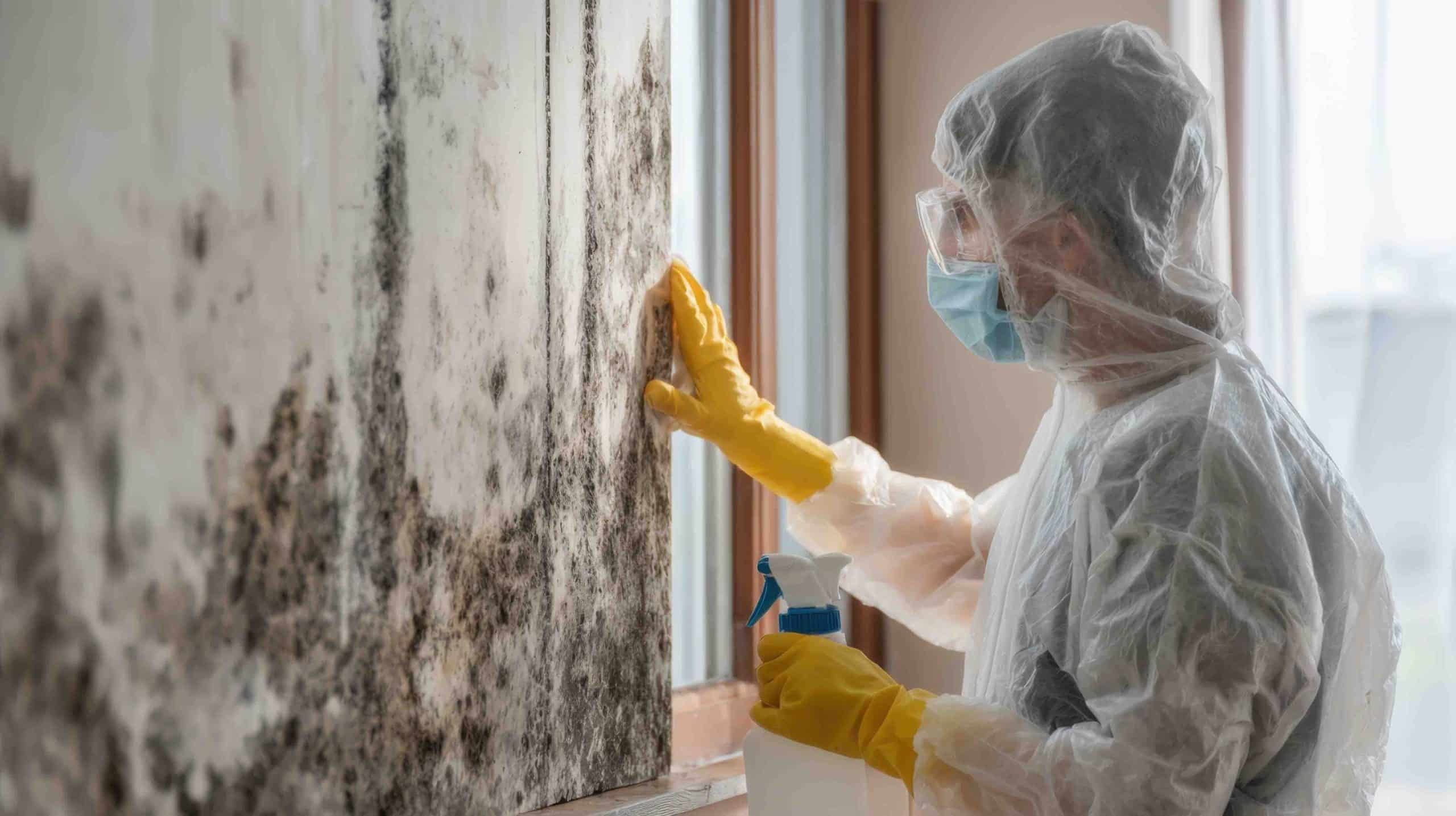
Summer in the Central Valley is all about long, sun-scorched days and rising temperatures, but did you know it is also a recipe for indoor mold growth? Most people assume mold is a winter problem caused by rain and freezing pipes. But it results from high outdoor temperatures, increasing humidity, and regular air conditioning usage. Together, these conditions create the perfect environment for hidden mold growth during the hottest months.
If you’ve noticed a musty smell near your vents or dark spots on walls during hot weather, your home could already be dealing with mold growth.
In this blog, we’ll discuss why mold spreads faster during summer, how to identify the hidden infestations indoors, and why timely mold removal is important to keep your living space safe, healthy, and dry.
|
Need Mold Removal? Contact Us Today! |
What Causes Mold to Grow Quickly During the Summer Months?
Molds need four main conditions to grow:
- Moisture
- Warm temperatures
- Poor ventilation
- Organic material like drywall, wood, carpet, or insulation
When outdoor temperatures reach up to three digits, the warm air carries more moisture. As the indoor humidity levels rise above 60%, mold spores can easily settle and grow inside walls, ceilings, crawlspaces, and duct systems. When these conditions combine with organic materials already found inside the home, mold can begin spreading within 24 to 48 hours.
Signs You May Have Hidden Mold in Your Home
It's easy to notice some common warning signs that suggest mold presence during summer.
- Persistent musty odors
- Allergy symptoms that worsen indoors
- Dark spots on ceilings or walls
- Peeling paint or bubbling drywall
- Condensation near vents
- Warped flooring
- Increased coughing or sneezing indoors
If you clean the area repeatedly, yet the smell keeps returning. This often means the mold is hidden behind walls, under flooring, or inside ductwork, and you might need professional mold abatement service to get rid of the mold completely.
How Does Air Conditioning Usage Contribute to Indoor Mold Growth?
Running the air conditioner is necessary to survive soaring heat during summer, but did you know that your air conditioner can also create hidden moisture problems if it is not properly maintained?
Basically, the AC unit pulls the warm, humid air and circulates it across a freezing, evaporating coil. The moisture is pulled out of the air, and the chilled air is sent out through the ductwork. While you get to enjoy the cool air in your room, the process introduces two distinct mold hazards for your home.
-
Ductwork Condensation
The cold air travels across the metallic ducts situated within the unconditioned spaces, such as the hot attic or the tight crawl space. It leads to condensation forming on both the outside and the inside of the vents, much like the sweating of a glass of ice water on a hot day. This moisture drips onto the ceiling, drywall, or fiberglass insulation, allowing mold spores to spread and grow quickly.
-
Clogged Condensate Drain Lines
The moisture that is pulled from the indoors is collected into a drip pan and flows outside the house through a PVC condensate line. Eventually, this narrow pipe gets clogged with dust, algae, and debris.
During summer, AC systems remove more moisture from the air. If the drain line gets clogged, water can overflow into ceilings, walls, or HVAC closets. When you don't notice, and these areas stay damp for too long, mold can begin spreading quickly.
Note - You should replace your HVAC filters every 30 to 60 days in order to prevent your cooling system from turning into a mold breeding ground. Be sure to inspect your outdoor drain line to make sure water is actively flowing away from the foundation. An annual coil cleaning is also recommended.
Why Is Attic and Crawlspace Ventilation Important to Preventing Summer Mold?
Attics and crawlspaces are some of the most common places for hidden mold growth during summer because they often trap heat and moisture.
Did you know that when the temperature reaches 100°F on a hot summer day, the temperature within the attic can easily reach 130°F?
Now, as the warm, humid air rises from your living space into the attic through the gaps in light fixtures, plumbing penetrations, and attic hatches, it gets trapped under the hot roof deck, and moisture begins building up on wood, insulation, and other surfaces. That damp environment creates the perfect conditions for mold growth.
Similarly, a phenomenon called the ‘summer stack effect’ occurs within crawlspaces. It is through the foundational vents that the warm, humid outdoor air enters and comes in contact with the cool underside of the house flooring, which is chilled by the indoor air conditioning. The result is instant condensation throughout the exposed floor joists, subflooring, and fiberglass insulation.
How to Prevent This?
- Clear the debris, insulation, or bird’s nest blocking the soffit vents of your attic.
- Make sure that the kitchen and bathroom exhaust fans vent directly outside the property and not into the attic space.
- Install a durable vapor barrier in your crawlspace to avoid ground moisture from rising into the structural framing.
If these solutions don’t work and mold still keeps coming back, you must contact a professional mold remediation team in your area.
What Health Risks and Structural Damages Are Linked to Summer Mold?
The summer mold is more than just an unpleasant odor or a stubborn stain. It is a direct threat to both the health of your family and the structural integrity of your property. Fungi release millions of microscopic airborne spores into your living spaces during reproduction. These spores are further distributed across your home via the air conditioning system.
1. The Health Implications
Mold exposure can affect both your breathing and overall indoor comfort during long summer months, when you inhale or come in contact with such airborne spores.
- Aggravated Asthma and Allergies: Wheezing, coughing, nasal congestion, watery eyes, and throat irritation.
- Sustained Fatigue and Headaches: When exposed to specific toxic mold for a long time, you can develop persistent fatigue, headaches, and sinus irritation.
- Skin Irritation: Rashes, hives, or flaking skin that does not clear up despite topical treatments.
2. Structural Implications
The molds survive on the organic material. Once the colony expands, they feed on the cellulose found within the building material.
- Drywall Degradation: Fungi damage the paper backing of the drywall, resulting in the gypsum core crumbling and falling, sagging, and failing.
- Structural Timber Damage: With prolonged exposure to moisture, the structural beams and subflooring lose their structural strength. This results in sagging floors and expensive structural repairs.
Professional Tips to Keep Indoor Humidity Levels Safe and Balanced This Summer
It is important to manage the indoor relative humidity to control the summer mold growth. It is important to keep the moisture levels in the air consistently low so that the spores remain dormant and unable to colonize your home.
Here are the top actionable steps you can take to achieve this.
- Using a Dehumidifier: Install a whole-home dehumidifier if the air conditioning of your home struggles to bring the relative humidity below 50%, especially in places like the basement, crawl space, or central living area that are high-moisture zones.
- Run Exhaust Fans Strategically: You should operate your exhaust fans during showers and 20 minutes after you finish. Likewise, use your kitchen range hood when boiling water or cooking to capture the airborne steam before it spreads.
- Monitor your indoor air with a hygrometer: Use a digital hygrometer to make sure your indoor spaces remain within 30% to 50% of RH. Adjust your cooling settings or ventilation if the reading tends to cross 55%.
- Avoid Adding Extra Moisture to the Air: Do not air-dry a large load of wet laundry indoors during humid days. Similarly, fix the plumbing drips properly and check if your clothes dryer vents completely outside your property.
|
Safe & Effective Mold Remediation - Contact Us Today! |
Mold Removal vs. Mold Remediation: What’s the Difference?
Many homeowners use the terms mold removal and mold remediation for the same purpose, but they are not the same thing. And understanding the difference is important because one only treats the visible problem, while the other helps prevent mold from coming back.
|
Mold Removal |
Mold Remediation |
|
Cleans visible mold from surfaces |
Identifies and fixes the moisture source |
|
Focuses on appearance |
Focuses on long-term prevention |
|
May not stop mold from returning |
Reduces the risk of future growth |
|
Usually surface-level cleaning |
Includes containment and air cleaning |
|
Best for very minor surface issues |
Recommended for larger or hidden mold problems |
Why Simple Mold Removal Is Not Enough
Wiping away visible mold may make the area look clean temporarily, but mold usually grows because of hidden moisture. If the source of the moisture is not fixed, the mold often returns. That’s why many homeowners notice the same musty smell or dark spots appearing again after DIY cleaning.
What Professional Mold Remediation Includes
Professional mold remediation is a more complete process designed to address both the mold and the moisture causing it. It focuses on both mold removal and mold abatement. Depending on the severity of the issue, professionals follow strategic ways to completely remove mold.
- They first isolate contaminated areas.
- They use HEPA air filtration systems.
- Professionals remove all the damaged materials.
- They completely dry hidden moisture.
- Then they sanitize affected surfaces.
- They also inspect HVAC systems and crawlspaces for hidden mold presence.
Most importantly, remediation focuses on preventing the mold problem from spreading or returning later.
Quick Queries From Our Clients
1. Can I clean up mold using regular bleach?
Use of household bleach is discouraged for clearing up smaller patches. Bleach comprises a large percentage of water. When applied to an infected surface, the chlorine stays on the surface, whereas the water gets absorbed into the material.
It does not kill mold hidden deep inside porous materials like drywall or wood. In some cases, the moisture in bleach can even help mold return faster. You can use specialized antimicrobial cleaners or a mixture of white vinegar and water for surface mold on non-porous surfaces. The best way is to contact a trusted mold remediation service provider in your area.
2. Can I clean up a large area of mold myself?
If the affected area is larger than 10 square feet, the EPA advises against cleaning it yourself. Scrubbing large areas without professional containment releases millions of spores into the air, which spreads the contamination to other rooms and lowers your indoor air quality.
The professional mold abatement team aims to control the spread and fully address the underlying moisture problem. They also inspect hidden areas like drywall, insulation, crawlspaces, and HVAC systems to make sure the mold does not return later.
3. Does turning off my air conditioning when I go on vacation cause mold?
Yes, turning off your air conditioning completely during hot summer vacation creates the perfect environment for quick mold growth. Your indoor space will rapidly heat up and match the outdoor humidity if the AC is not running to pull the moisture out of the air. You can suffer from a major mold issue if a minor pipe leaks or a sudden rainstorm occurs when you are away. Professionals recommend switching to ‘vacation mode’ between 78°F and 82°F to ensure proper air circulation and basic humidity control.
Takeaway
Attempting to clean a mold problem without professional containment equipment can result in spreading millions of toxic spores across your property. Instead, specialized training, industrial scrubbers, and precise environmental controls make sure that the mold problem at your home is eliminated at its roots.
Protect your home and health with the right solutions that are also environmentally safe. The issue of mold growth during the summer months is often overlooked and ignored, which can lead to more serious problems over time. Always contact a professional mold remediation service provider to properly address recurring mold issues.
Read More About:
- Mold Remediation vs Mold Removal
- What Is White Mold and Is It Dangerous?
- Mold vs. Mildew: Understanding the Key Differences
- Why Dry Fogging Doesn’t Work for Mold Remediation?
Protect Your Property from Mold with Professional Assessment and Remediation By JM Environmental Inc.
If you are noticing musty odors, water damage, or signs of hidden mold, professional help can make all the difference. At JM Environmental Inc., we provide trusted services for mold abatement in Sacramento and mold remediation in Sacramento for residential and commercial properties.
Our experienced team uses advanced moisture detection, containment methods, structural drying, and safe remediation techniques to help protect your property and indoor air quality.
JM Environmental Inc. is a trusted mold removal and hazardous material abatement provider in the Greater Sacramento Area with over 30 years of experience. We hold the reputable licenses -
- California License # 693564 A, B, C-21, C-22, ASB, HAZ
- Nevada License # 0073480 A-13, A-22, A-23
So, your property is in safe hands under the leadership of John Moore (founder and president of JM Environmental, Inc.), and you don’t have to worry about legal codes and compliance when hiring us for any services.