
Can You Paint Over Mold? What Homeowners Need to Know
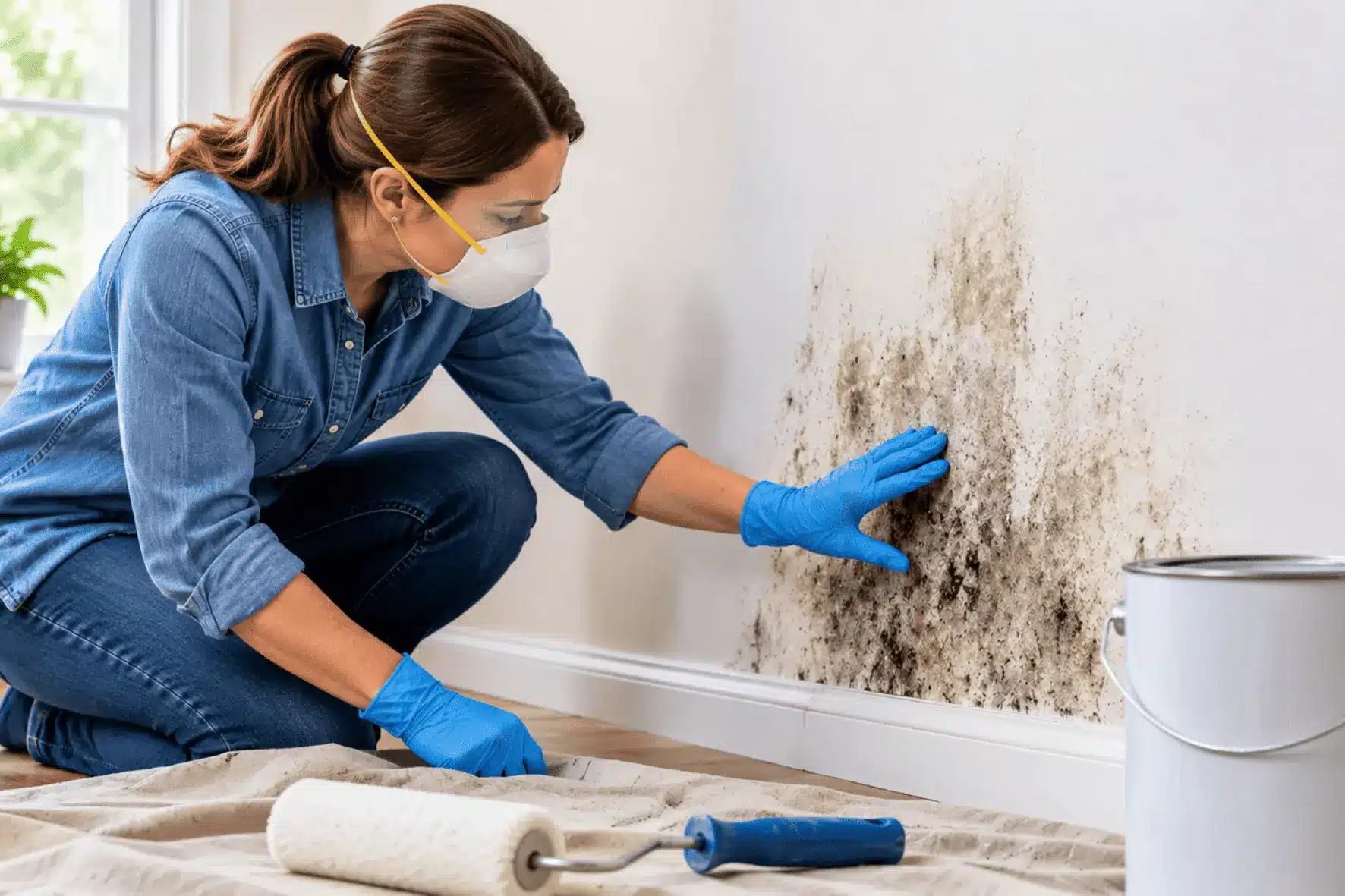
When you walk into your bathroom or laundry room and notice a patch of mold spread across the wall, your first thought is to cover it up fast.
At that moment, painting the wall seems like a fast, inexpensive fix. But can you really paint over mold, or are you just hiding a much bigger problem beneath the surface? Well, paint doesn’t remove the growth or fix the moisture that caused it. It can also lead to peeling, bubbling, and the stain coming back.
So before you pick up a paint roller, let's break down why this shortcut is not so helpful, how to recognize hidden mold, and what you need to do to fix the issue for good.
|
Concerned About Mold Growth? Let Our Experts Help! |
Can You Paint Directly Over Mold?
No, painting over visible mold is not a proper mold cleanup method.
Mold is not just a surface stain that paint can cover. It is a fungus that can grow on and inside damp materials.
When you paint over mold on drywall or wood, it doesn't stop. It remains under the coating, and if the material is still damp, the mold gets enough moisture to grow even when you can no longer see it.
This is why repainting a moldy area is not a real solution. The affected area needs to be properly cleaned and dried, and the source of moisture needs to be fixed. If the material has been badly affected by mold, you may need to call a professional for mold abatement before anything.
What Happens When You Paint Over Mold?
- The Paint Peels and Bubbles: As mold grows beneath the fresh paint, it breaks the bond between the coating and the wall. Within weeks, your new paint job will chip, flake, or blister.
- The Problem Can Continue: If moisture remains behind the wall, mold can continue growing in affected materials and may spread to other areas.
- Stains Bleed Through: Fungus easily bleeds through standard interior paint, turning fresh white walls back into a splotchy, discolored mess.
- Indoor Air Quality Can Be Affected: Mold that remains untreated can continue releasing spores into the indoor environment.
Does Mold-Resistant Paint Actually Kill Mold?
Not by itself.
Mold-resistant or mold-inhibiting paint may help slow future surface growth on a clean, drywall. But it should not be treated as a way to remove active mold.
Think of it as the last step, not the first step.
If a bathroom wall has recurring mold, you may need to improve ventilation, correct a leak, clean or remove affected material, and let the area dry before repainting. A suitable mold- resistant paint can then provide added protection.
What Should You Do Before Repainting a Moldy Wall?
1. Find the Moisture Source
Try to find out the real reason behind mold presence. You can check for plumbing leaks, roof or window flashing leaks, condensation, flooding, or poor ventilation. In areas like Sacramento, hot weather, air conditioning, roof issues, and moisture around bathrooms can all create conditions where mold becomes a problem.
If you clean the mold but leave the moisture source, it can return.
2. Assess the Affected Material
Not every moldy surface needs to be removed. Hard, non-porous surfaces can often be cleaned, while porous materials can be much harder to clean completely once mold has penetrated them.
Drywall deserves extra attention. If it is swollen, soft, crumbling, or extensively affected, cleaning the surface and painting over it may not be enough.
3. Clean or Remove Affected Materials
The right approach depends on the affected area and material. Do not aggressively disturb a large mold problem without considering the risk of spreading spores.
If mold covers a large area or recurs after repeated cleaning attempts, hiring a professional for mold remediation is the safest choice
4. Dry Before Painting
Do not rush to repaint simply because the visible mold is gone. The surface and surrounding materials need to be dry. Otherwise, you may seal moisture into the wall and create conditions for another round of growth.
5. Repair and Repaint
Once the mold issue is handled, damaged materials are repaired or replaced as needed. The clean, dry surface can then be primed and painted.
|
Before Repainting |
After Repainting |
|
Fix the moisture source |
Keep the area dry |
|
Address mold and damaged materials |
Maintain good ventilation |
|
Clean and dry the surface |
Watch for recurring mold or stains |
|
Repair or replace damaged materials |
Address leaks quickly |
|
Get Expert Mold Remediation Solutions - Call Us Today! |
Frequently Asked Questions
1. How do I know if black spots on my wall are mold?
You cannot identify mold just by its color. Black, green, brown, or other discolorations can have different causes. Look for a musty odor, water damage, condensation, or recurring growth. If you are unsure, avoid disturbing the area. A professional mold inspection can accurately evaluate the discoloration and test the air or surface.
2. Can mold come back after it has been removed?
Yes. Mold can return if the conditions that allowed it to grow are still present. A leak, excess humidity, condensation, or poor airflow can create the same conditions again. If mold keeps returning in the same area, it’s worth looking beyond the visible spot to find what is causing the problem. If you can’t find the cause or the mold keeps coming back, a professional can inspect the area and help determine what needs to be addressed.
3. How can I tell if someone painted over mold?
A freshly painted wall does not always mean there is no mold. If mold is underlying and was not treated before painting, you can identify it from the following signs:
- Dark patches returning through fresh paint
- Peeling or bubbling
- A persistent musty smell, soft drywall
- Recurring discoloration near windows, ceilings, or plumbing.
However, one sign doesn’t prove that mold was painted over. Water stains from a leaking roof can also look similar. If you are unsure whether a wall has been painted over to conceal damage, a professional mold inspection can confirm what lies beneath
Takeaway
Mold is not something to ignore or simply cover up. If you notice signs of mold in your home, take the problem seriously and avoid quick fixes that only make the surface look better. Finding the cause early can help prevent bigger problems and give you a better idea of what needs to be done next.
Read More About:
- Basement Mold Control: Expert Tips on Removal and Prevention
- What Is White Mold and Is It Dangerous?
- Mold Removal Made Simple: Concrete Floors, Walls & Patios
- Discovered Orange Mold? Learn Causes, Risks & How to Prevent It
Need Effective Mold Removal in Sacramento? JM Environmental Inc. Can Help
A recurring mold problem can be frustrating, especially when a stain keeps coming back after cleaning or painting.
JM Environmental, Inc. has 32 years of experience handling mold problems and related environmental services in Sacramento and surrounding areas.
Our team provides mold inspection, moisture detection, mold removal, mold abatement, and mold remediation in Sacramento based on the condition of the affected area. We are licensed, insured, and certified, and use professional equipment to help identify hidden moisture and address mold at its source (California License #693564 A, B, C-21, C-22, ASB, HAZ).
Whether you are dealing with mold on walls, a recurring musty odor, or mold following water damage, getting the cause checked before repainting can help you avoid repeating the same work.
Give us a call at 866-726-0304 today to schedule a professional mold inspection and get your home back to a cleaner, safer condition.