
Does a Leaky Roof Cause Mold? Signs, Risks & Prevention Tips
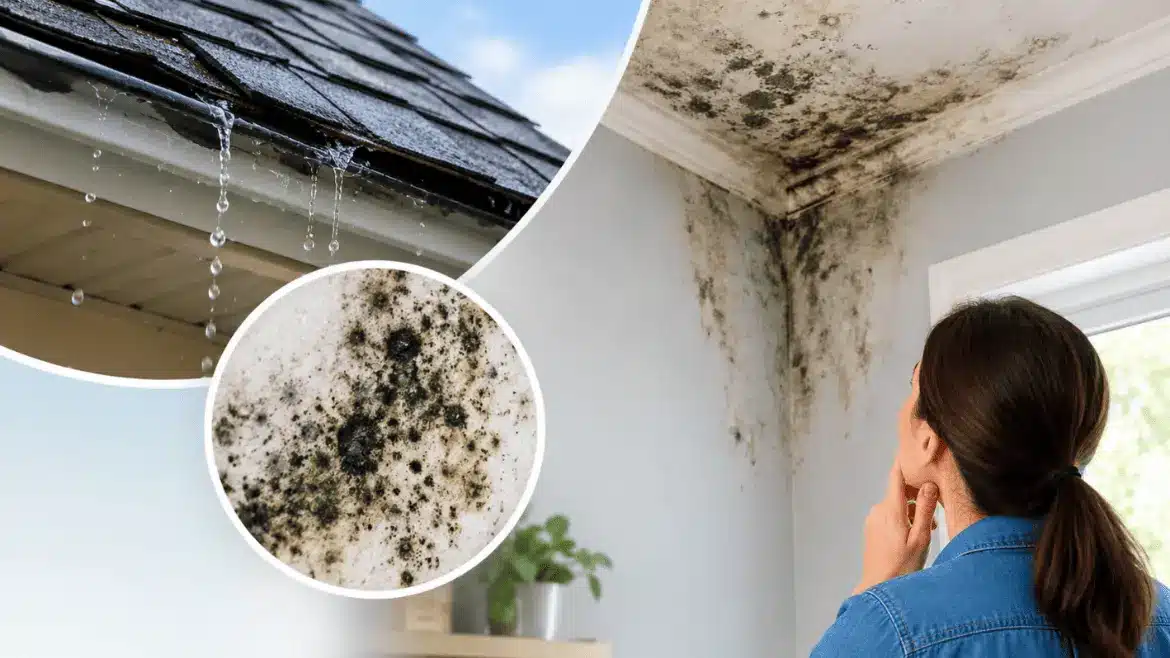
You might ignore a small brown spot on your ceiling, a musty smell, or dampness in the attic. But if moisture stays trapped in building materials, mold can begin to grow.
So, can a leaky roof cause mold? Absolutely. A roof leak can create the moisture mold needs to grow, especially when affected materials are not dried quickly.
In this blog, we will break down how roof leaks cause mold, the warning signs to look for, and the associated health risks. We will also discuss the steps you should take to protect your property from mold and when you should call a professional mold abatement team.
|
Protect Your Home From Mold - Contact Us Now! |
How Does a Roof Leak Actually Cause Mold?
Mold is present everywhere in the air you breathe, both indoors and outdoors. Usually, it is harmless, but it can become a problem once it finds the perfect conditions to settle and grow. The conditions for mold growth are rather simple: just some moisture, time, and a food source. A roof leak provides all three in optimal amounts.
The water seeps through your roof system and soaks into whatever is underneath it: plywood decking, wood framing, paper-faced drywall, the insulation backing, or simply the dust that collects in your attic. Being organic, all these materials are prone to mold.
However, the worst part is that mold does not require a major roof failure to grow. A slight leak, damaged flashing, chimney, or vent boot can be damp enough for mold to grow over time. Also, poorly ventilated areas are ideal places for mold to grow.
Mold can begin to grow when materials remain damp, which is why the EPA recommends drying water-damaged areas within 24 to 48 hours whenever possible.
What Are the Warning Signs That a Leaky Roof Is Causing Mold?
Here are the main signs that a roof leak is causing mold growth in your home.
- Musty odors: This is a major sign of mold growth, especially in attics, closets near exterior walls, or the room upstairs. These areas smell worse after rains, and if you notice an earthy, damp smell, then most likely there is mold growth somewhere.
- Visible discoloration: Keep an eye out for brown or yellowish water stains on ceilings or walls. Bubbling paint, warped trim, soft drywall, or dark spotting around vents and corners are all warning signs. What looks like a small stain from the inside may be affecting a much larger area above the ceiling.
- Attic clues: Mold is present if wood looks fuzzy or dusted with gray and black patches, insulation seems flattened and damp, or rusty nails poke through the roof boards.
- Health symptoms: Some people exposed to damp or moldy environments may experience symptoms like coughing, wheezing, a stuffy nose, or eye irritation. These symptoms alone do not confirm that mold is present, so look for physical signs of moisture or mold as well.
- Recurring leaks: If the roof leak repair keeps recurring, then there is a good chance that the moisture cycle has not been completely broken. Some staining can be old water damage instead of active mold, while some, like discoloration, can be dirt or surface mildew due to humidity instead of a roof leak. Have a professional check the area to be sure.
What Health Risks Are Associated with Mold from a Roof Leak?
According to the CDC, exposure to damp or moldy environments can cause health effects in some people. So it’s important to address the mold issue as quickly as possible.
- In healthy adults, mold exposure can result in wheezing, coughing, skin rashes, or eye irritation.
- In the elderly, children, or individuals with a pre-existing respiratory condition, the results can be much more severe, such as asthma attacks or chronic sinus infections.
Beyond health risks, mold can also cause significant structural damage to your home. It might start small, but soon develop into a structural repair worth thousands of dollars.
|
Get Fast, Reliable Mold Help Now – Call Now! |
How to Prevent Roof Leaks and Mold in Your Home
Here are some of the practical steps you can take to prevent roof leaks and mold in your home:
- Schedule regular roof inspections: Having a professional inspect your roof at least once a year or after a major storm is a good idea.
- Keep your gutters clean: Semiannual or seasonal gutter cleaning is a good way to prevent roof leaks.
- Ensure proper attic ventilation: Poor ventilation encourages moisture buildup, hence promoting mold growth. Make sure attic vents are clear of obstructions and that roof penetrations and flashing are properly maintained to prevent water intrusion.
- Monitor indoor humidity: Indoor humidity should be maintained between 30 and 50 percent to avoid mold growth.
- Act quickly when you notice a leak: Call a professional roof and mold expert as soon as you notice a leak, before the problem grows into a bigger one.
- Keep an eye on affected areas: Check the affected area regularly after repairs. If stains, dampness, musty odors, or visible mold return, investigate the moisture source again.
When to Call a Professional for Mold Remediation?
You need to call a professional when:
- You are experiencing symptoms that you believe may be related to a damp or moldy environment.
- You have tried to clean the mold yourself, and it keeps coming back.
- The mold-affected area is larger than about 10 square feet.
- The mold is behind walls and in your HVAC system.
- The mold is in your attic or in other hard-to-reach areas.
- You are not sure where the moisture is coming from.
But how do you know which professional to call? If you are in Sacramento and are looking for mold removal services, look for an experienced mold remediation professional who follows recognized industry and safety guidelines. Certifications such as IICRC credentials can also be useful when comparing providers.
A professional mold abatement team arrives well equipped with proper training, equipment, and experience to manage safety and efficiency.
Quick Queries From Our Clients
1. Can a small roof leak really cause mold?
Yes. Mold does not require major water intrusion to grow. The water leak tends to travel along the rafters or decking before the signs become visible in your home. Also, most of the time, the source of the leak is not visible.
2. What is the difference between mold removal, mold abatement, and mold remediation?
People often use these words to mean the same thing, but they actually cover different steps:
- Mold Removal: This is just cleaning up the visible mold you can see, like wiping down a wall or throwing away ruined drywall.
- Mold Abatement: This means sealing off the work area with plastic sheets and air filters so mold spores do not float into other rooms while you clean.
- Mold Remediation: This is the whole job from start to finish. It includes fixing the water leak, trapping the spores, cleaning up the mold, and making sure it does not come back.
If you just wipe away the mold without fixing the leak or trapping the spores, it will usually grow right back. That is why fixing the actual cause is what really keeps your home safe.
3. How much does professional mold remediation cost in Sacramento?
There is no single price tag because every job is different. It mainly depends on the size of the mold-affected space, its location, and the damage level.
Small cleanup jobs can cost around $500 to $1,500, while large projects involving structural repair can run $3,000 to $7,000 or more. The only way to get an exact price is to have a professional inspect the site and check how far the moisture has spread.
Final Thoughts
Your home is your biggest investment, and your family's health is priceless. Don’t allow a leaky roof to put either one at risk. It’s best to get your roof inspected as soon as you suspect a leak; the peace of mind is well worth the investment.
If you notice any signs of a roof leak or mold growth, do not hesitate to reach out for professional help. The wet winters, the hot summers, and the specific roofing issues that Sacramento homes face all require local knowledge and experience.
Read More About:
- Basement Mold Control: Expert Tips on Removal and Prevention
- What Is White Mold and Is It Dangerous?
- Mold Removal Made Simple: Concrete Floors, Walls & Patios
- Discovered Orange Mold? Learn Causes, Risks & How to Prevent It
Don't Let a Small Leak Turn Into a Major Mold Problem - Call JM Environmental Inc. Today
If a roof leak has left your Sacramento home with damp materials, staining, or visible mold, addressing the moisture source quickly can help prevent the problem from spreading.
As a licensed contractor in the states of California and Nevada, JM Environmental Inc. specializes in mold remediation in Sacramento with over 30 years of local experience.
- California License #693564 A, B, C-21, C-22, ASB, HAZ
- Nevada License #0073480 A-13, A-22, A-23
Our local skilled team is not only expert in mold abatement in Sacramento, but we also provide a wide range of services, including:
- Demolition Services
- Asbestos Removal
- Fire Debris Removal / Fire Debris Cleanup
- Lead Removal
- Surface Decontamination
With an A+ rating with the BBB, we approach every mold removal & abatement project with care and attention to safety.
Call us today at (866)-726-0304 to schedule a professional mold inspection in Sacramento.