
What to Do Before a Home or Building Asbestos Inspection
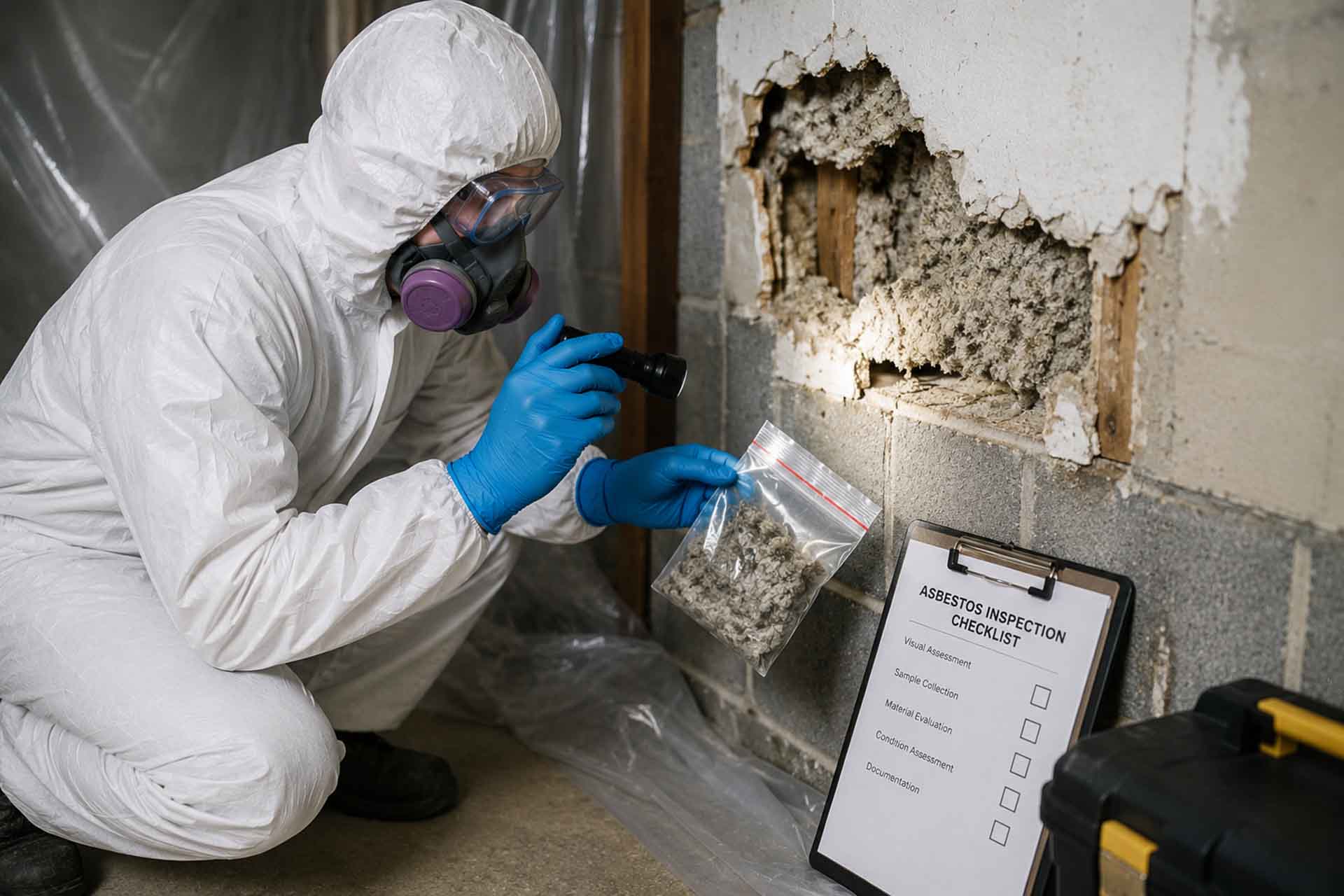
If your home or building was built before the late 1980s, there is a chance that some materials may contain asbestos. Common places where asbestos can be found include old flooring, ceiling textures, insulation, siding, and other building materials. Before starting a renovation, demolition, or major repair project, an asbestos inspection may be required to identify any potential hazards.
Proper preparation before the inspection can help the process go smoothly. In most cases, you should clear access to walls, ceilings, attics, crawl spaces, and other areas that may need to be checked. It is also a good idea to turn off your HVAC system, avoid disturbing any suspicious materials, and keep children and pets away from the inspection area. These simple steps help inspectors work safely and reduce the chances of project delays.
In this blog, we will explain how to prepare your property for an asbestos inspection, what inspectors look for, what happens during asbestos testing, and what to expect after you receive your results.
|
Get Expert Asbestos Guidance - Contact Us Now! |
How Should You Prepare Your Property For an Asbestos Inspection?
It is important to prepare your property before the arrival of the inspector, as proper preparation protects your personal belongings from accidental exposure and allows the technician to work efficiently.
- Provide Clear, Unobstructed Pathing: Technicians need to get close to your walls, baseboards, ceilings, and utility closets, and move away the heavy furniture, storage boxes, and clothing racks from the walls. This is important; otherwise, any unreachable part of the house will be listed as "uninspected" and stall your building permits.
- Deactivate the Heating and Air Conditioning System: Switch off your central HVAC unit, ceiling fans, and individual wall heaters at least two hours before the appointment. Keeping the air perfectly still allows the fine dust during sampling to settle immediately within the small containment drop cloth instead of spreading through your ductwork.
- Clear the Building of Occupants and Pets: The sampling process is controlled; it is best to keep children, tenants, and pets out of the immediate work zone. The technician can focus completely on handling toxic materials without distractions or accidental entry into a temporary containment zone.
- Do Not Clean or Sweep Beforehand: If you notice crumbling material near an old pipe or water-damaged ceiling, do not vacuum or sweep it up. Standard household vacuums and brooms do not feature ultra-fine filters. This way, they will just catch large debris while spraying microscopic asbestos fibers directly into your breathing air. Leave the area exactly as it is so the inspector can document the damage safely.
Why Is Professional Asbestos Testing Required Before Construction?
Many property owners assume they can spot dangerous building materials just by looking at them, or that a modern cosmetic remodel won't disturb anything hidden deep inside the walls.
But professional asbestos testing is legally mandated, as these fibers are invisible to the naked eye. Large amounts of toxic dust are released when old materials are sanded and torn down during construction. Getting a certified inspection ensures the identification of hazardous materials and their legal handling under environmental safety laws before dust contaminates the building.
Why Testing Is Required by Law
The State and federal environmental agencies regulate all building renovations in California. Local air quality management districts need a certified asbestos survey before any structural demolition or major renovation project is allowed to start. Proceeding without a certified testing report can earn you immediate stop-work orders, fines, and liability lawsuits if workers or neighbors are exposed to toxic dust.
Why Asbestos Is Dangerous
Asbestos is a naturally occurring mineral group known for its heat resistance and tensile strength. It is blended into thousands of everyday building products as it has been mixed directly into manufacturing formulas for decades. When an uncertified contractor breaks apart a drywall sheet or pulls up old linoleum flooring without testing, millions of microscopic fibers are released into the air. Inhaling these fibers leads to illnesses such as mesothelioma, asbestosis, and lung cancer.
Common Situations That Require Asbestos Testing
- If your home was built before the late 1980s, materials such as flooring, insulation, ceiling textures, or siding may contain asbestos.
- Vinyl floor tiles, adhesives, and backing materials in older buildings may contain asbestos fibers, and must be inspected before disturbing them.
- If you're planning the complete demolition of any building, testing helps identify any hazardous materials that need special handling.
- When any section of your building is damaged, it should be tested first, as it can release asbestos fibers if disturbed during restoration work.
What Happens During a Professional Asbestos Inspection?
It is a detailed process designed to identify materials that may contain asbestos and check whether they pose a risk. The goal is to gather accurate information while minimizing disturbance to the property.
1. Visual Inspection and Categorization
The inspector looks for suspect materials commonly found in older buildings, including flooring, insulation, ceiling textures, siding, and pipe coverings. All the similar materials that were installed at the same time are grouped together.
2. Sample Collection
If asbestos-containing materials are identified, the inspector collects small samples for testing, usually a quarter-inch-square piece. To reduce the chance of airborne dust, the material is lightly wetted before a sample is removed. The sample is then sealed in a labeled container, and the collection area is carefully patched or sealed when necessary.
3. Laboratory Analysis
The samples are sent to the laboratory for analysis. A testing method known as Polarized Light Microscopy (PLM) is commonly used to identify asbestos fibers and decide whether asbestos is present in the material.
4. Inspection Report and Recommendations
After the testing is complete, you'll receive a report showing where samples were taken and whether any asbestos was found.
- If the results are negative, you can move forward with your project with confidence.
- If asbestos is detected, the report will explain where it was found and what steps may be needed next.
In some cases, the material can be safely left alone and monitored. In others, professional asbestos removal may be recommended before renovation or demolition work begins.
How Much Does Asbestos Testing Cost?
The cost of asbestos testing can vary depending on the size of the property, the number of samples that need to be collected, and how quickly you need the results.
For example, testing a small residential property usually costs less than testing a large commercial building. Additional samples and laboratory processing may also increase the overall cost.
The best way to get an accurate estimate is to schedule an inspection with a certified asbestos testing company. A professional can assess your property, determine how many samples are needed, and provide a quote based on your specific situation.
While testing is an added expense, it can help prevent costly delays, fines, and health risks later in a renovation or demolition project.
|
Get Safe Asbestos Abatement - Request a Free Consultation! |
How Do You Read and Understand Your Official Laboratory Test Reports?
Once the laboratory processes your physical samples, you will receive an official analytical data packet.
|
Result |
What It Means |
|
ND (None Detected) |
No asbestos was found in the sample. |
|
Trace Amounts |
A very small amount of asbestos was detected. Your inspector can explain whether any special precautions are needed. |
|
ACM (Asbestos-Containing Material) |
The material contains asbestos and may require special handling, monitoring, or removal before renovation or demolition work begins. |
If a report comes back positive for ACM, it will also specify the exact mineral type found, such as Chrysotile or Amosite. Knowing the exact percentage and location allows your asbestos abatement team to build a highly targeted removal plan.
Frequently Asked Questions
1. How long does it take to get official asbestos laboratory test results back?
The physical on-site inspection and sample collection process usually takes between one and three hours, depending entirely on the total square footage of your property and the number of distinct building materials that require sampling. Once the samples are safely bagged and logged into a chain-of-custody sheet, they are transported directly to an accredited laboratory.
It takes two to five business days for the standard laboratory processing time to complete. But if you are dealing with an active construction stoppage or a real estate transaction deadline, most professional testing agencies offer expedited emergency turnaround options, delivering verified electronic reports within 24 hours for a basic laboratory rush fee.
2. What should I do if my property's asbestos test results come back positive?
If your laboratory report confirms the presence of Asbestos-Containing Material (ACM), your next step depends on the physical condition of the material. If the material is completely intact, sealed, and undisturbed, such as vinyl floor tiles hidden beneath a layer of modern laminate, it is often safest to leave it completely alone. Properly encapsulated and undisturbed asbestos generally presents minimal immediate health risks..
However, if you plan to remodel that specific area, or if the material is deteriorating, flaking, or water-damaged, you must hire a licensed, certified asbestos removal company. Never attempt to remove, scrape, or throw away positive materials yourself; doing so violates state environmental health laws and contaminates your building.
3. Can I buy a retail DIY asbestos testing kit instead of hiring a professional?
While you can purchase inexpensive DIY asbestos sampling kits at most local hardware stores, they are generally not recommended for home renovations or commercial compliance. These retail kits require you to cut into the suspicious material yourself. Without professional tools, specialized wetting agents, and personal respiratory protection, you run a very high risk of releasing toxic fibers directly into your living space during the collection process.
Furthermore, DIY kits do not include a certified inspector’s official survey report or property map. Because home insurance providers, local building permit offices, and professional construction crews require an independent, third-party certified survey to sign off on permits, a DIY kit is legally invalid for construction clearances.
Takeaway
Nobody wants a renovation project delayed because of an unexpected issue. Preparing your property for an asbestos inspection helps the process go more smoothly.
Most importantly, professional asbestos testing gives you the information needed to make safe decisions about your property. Whether asbestos is found or not, knowing what you're dealing with helps protect your family, workers, and everyone who uses the building.
Read More About:
- How to Identify Asbestos Safely: Can You See or Smell It?
- Mold vs Asbestos vs Lead Removal: What You Should Know
- Asbestos Explained: Types, Risks & How to Recognize Them
Before You Renovate, Know What Is Behind The Walls - Trust JM Environmental Inc.
An asbestos inspection provides the information needed to move forward safely and legally. JM Environmental Inc. helps homeowners, property managers, and commercial building owners identify asbestos-containing materials and understand their next steps with confidence.
With over 30 years of experience in asbestos testing, asbestos removal, and asbestos abatement Sacramento, we're the trusted choice for homeowners and businesses throughout the Sacramento area.
Once asbestos is identified in your property, our skilled and licensed team uses advanced negative-air pressure containment zones, state-of-the-art HEPA filtration systems, and strict disposal protocols to clear your property of dangerous fibers without risking cross-contamination.
- California License # 693564 A, B, C-21, C-22, ASB, HAZ
- Nevada License # 0073480 A-13, A-22, A-23
We feel proud to be a BBB-accredited company with an A+ rating and understand the responsibility we carry with it. That’s why we make sure everyone around the site stays safe and protected during our asbestos removal process.
Call us today at 866-726-0304 for professional asbestos testing or asbestos removal in Sacramento.