
Mold vs Asbestos vs Lead Removal: What You Should Know
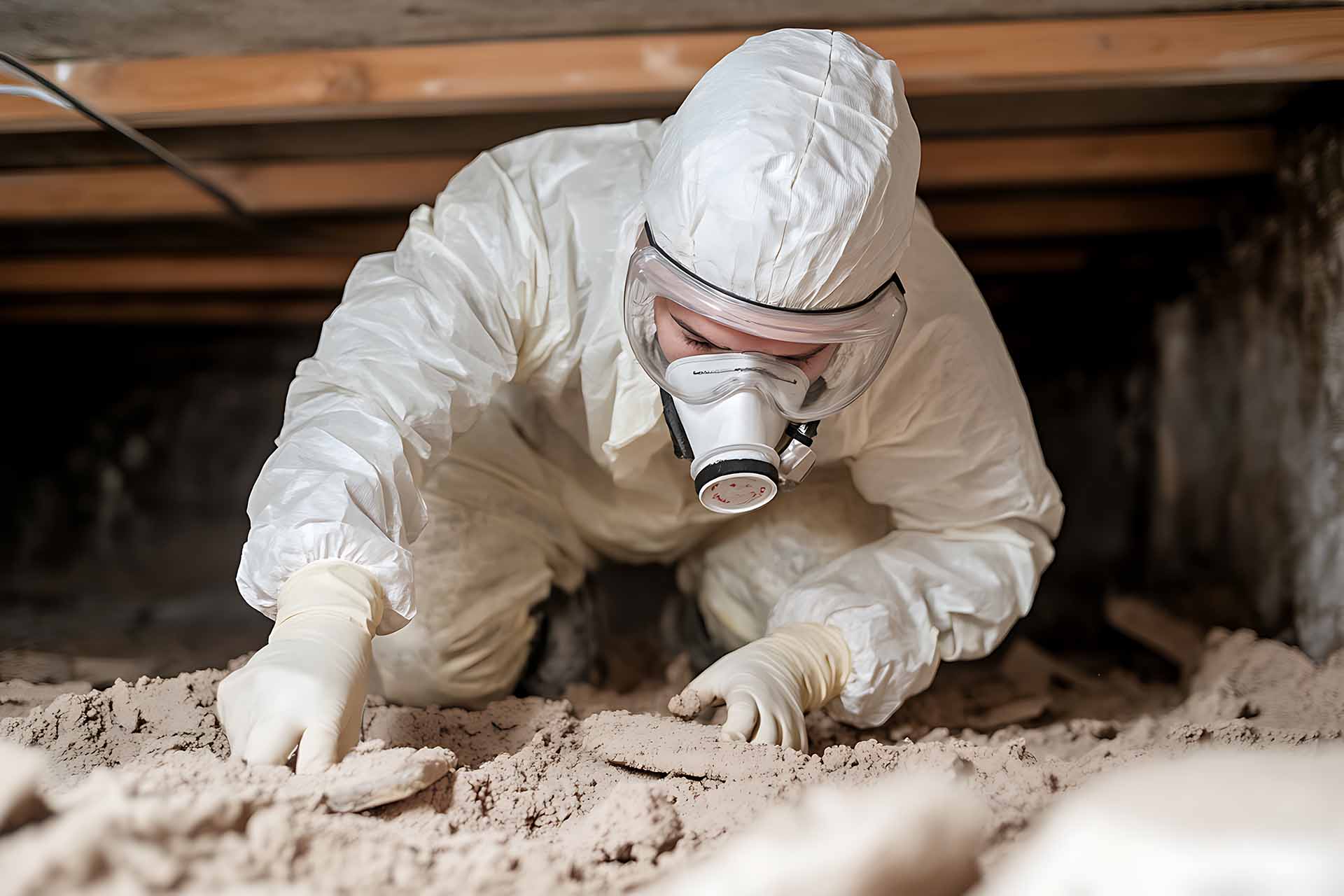
Terms like mold abatement, asbestos abatement, and lead removal are pretty popular these days, and for a good reason.
A good 10 to 20 years back, mold removal was something homeowners liked to DIY with some bleach and vinegar, but now, with so many professionals providing mold/asbestos abatement and lead removal services, DIYs are a thing of the past.
Understanding the real differences helps you ask the right questions from the contractor. It also helps you make sure the process being used is safe, legal, and designed to solve the problem permanently, not just cover it up.
|
Get Expert Remediation Service - Schedule Your Appointment! |
What Are You Dealing With? Understanding the Hazard First
Before we compare safety protocols, it is important that we understand the materials first. Mold, asbestos, and lead might be present in a home, but they behave very differently and pose different risks.
1. Mold
Mold is a living fungus that grows in damp, humid areas. It spreads through microscopic spores in the air. If moisture is present, mold can start its growth process within the first 24 to 48 hours.
The most common causes for mold growth in homes are water leaks, flood damage, poor ventilation, and roof or plumbing issues.
The worst part about mold in homes is that exposure can lead to respiratory problems, skin irritation, allergies, and worsening asthma symptoms.
2. Asbestos
Asbestos is a naturally occurring mineral. It was widely used in building materials during the 1980s. It’s commonly found in insulation, ceiling tiles, flooring, and pipe wrap in old buildings.
When disturbed, asbestos releases tiny fibres into the air. Inhaling these fibers can cause serious illnesses, including mesothelioma and lung cancer.
3. Lead
Lead is found in old paint, plumbing pipes, and soil around older homes. It's especially harmful for children. Even low exposure to lead can cause developmental issues and neurological damage.
What Are the Safety Protocol Differences Between Mold and Asbestos & Lead Removal
1. Containment Procedures
Mold Abatement in Homes
In mold-removal projects, the focus is on preventing spores from spreading into non-contaminated areas. Since mold spores travel easily through air currents, professionals focus heavily on containment and air control during the cleanup process.
- Plastic containment barriers for isolating affected areas
- Negative air pressure machines
- HEPA air scrubbers to capture airborne particles
- Sealed work zones to avoid cross-contamination
Asbestos Removal In Older Homes
Asbestos removal in older homes requires extremely strict containment. A complete professional abatement follows a controlled, step-by-step process that includes -
- Full enclosure of the work area
- Negative pressure systems to stop the fibres from escaping
- Air monitoring before, during, and after work
- Strict decontamination chambers for workers and equipment
In many cases, an asbestos removal project must follow state and federal regulations. This includes proper documentation, clearance testing, and verification that the area is safe before it can be reoccupied.
Lead Removal
Lead removal methods depend on the size and severity of the contamination. To keep lead dust from spreading to other areas of the home, professionals use strict containment and cleanup measures, including
- Plastic sheeting to seal off work areas
- HEPA-filtered vacuums to capture fine lead dust
- Specialized cleanup procedures are designed specifically for lead-safe work
- Clearance dust testing is the final step to confirm the area is lead-free.
The goal is to revent cross-contamination of other parts of the home and to make sure the space is safe for the occupants, especially children and pets.
2. Personal Protective Equipment (PPE)
All three require PPE, but the level varies.
- Mold Remediation - Technicians wear respirators, gloves, protective suits, and eye protection. The goal is to prevent inhalation of spores and skin exposure.
- Asbestos Removal - It requires full-face respirators, disposable suits, boot covers, and strict disposal procedures. The risk of airborne fiber inhalation is extremely high if handled improperly.
- Lead Removal - Lead work requires respirators, disposable coveralls, HEPA-filtered vacuums, and strict hand-washing protocols.
3. Removal and Cleaning
Mold Removal
Mold remediation isn’t only about removing visible growth. It involves a few important final steps that are mandatory, and is the reason why mold removal can never be a weekend DIY Project.
- Identifying the moisture source that caused the mold growth initially
- Removing contaminated materials (drywall, carpet, insulation)
- Cleaning salvageable surfaces with antimicrobial solutions
- Drying the affected area thoroughly
- Verifying moisture levels to ensure that the conditions are no longer favourable for mold growth
If the moisture correction step is skipped, mold will return. That’s why an experienced mold abatement professional in Sacramento focuses on long-term prevention, not just surface-level cleanup.
Asbestos Removal
With asbestos, the affected material usually has to be fully removed and thrown away at a special approved facility. You can’t simply clean asbestos fibers off insulation or ceiling tiles. Once the asbestos is disturbed, complete removal is the only safe solution.
Lead Removal
Lead-based paint can sometimes be sealed with a special coating, removed, or replaced. The correct method depends on the paint’s condition, the level of risk, and whether children or vulnerable occupants are present.
4. Testing and Clearance
Mold
Mold testing can include air tests, surface samples, checking moisture levels, and testing the area again after cleanup.
But in many cases, testing isn’t even necessary. If you can clearly see mold or there has been water damage, that’s already enough evidence. When mold is visible, the next step is removal; testing is not necessary.
Asbestos
Asbestos testing is mandatory before the suspected material is disturbed. Once the removal process is complete, air clearance testing is conducted to ensure no hazardous fibers remain. The area is only cleared for use after meeting all required regulatory standards.
Lead
After the lead removal procedure, lead dust wipe tests are performed. The homes must meet EPA clearance levels before re-occupancy.
5. Regulatory Oversight
Asbestos and lead removal are heavily regulated at the federal and state levels.
Mold remediation is also guided by industry standards (like IICRC S520), but it does not always require the same level of government licensing in every region.
However, that doesn’t mean mold should be taken lightly. Poor mold removal can cause ongoing health problems and structural damage to the mold-infested property.
This is why working with experienced mold abatement professionals is important.
|
Protect Your Home’s Safety - Contact Us Today! |
Frequently Asked Questions
1. Can I spray bleach to remove mold?
No! Bleaching requires the use of water. While you can get rid of surface mold the water in the bleach soaks into the porous wood or drywall, feeding the roots of the mold.
If you are someone who prefers using the DIY ( bleach and vinegar ) method, assuming that time the mold is gone for good, but mold keeps coming back or covers more than a small area, it’s time to call a qualified mold abatement professional. It is a much safer option for you and your family rather than relying on household cleaners.
Professionals with experience in mold removal thoroughly inspect the infested area, identify the sources of moisture, seal them, and prevent mold spores from spreading to other areas of your property.
2. Is mold removal different from mold remediation?
Yes, there’s a difference. Mold removal means cleaning or taking away the visible mold you can see on surfaces.
Mold remediation is a broader, more complete process. It includes several steps and also some professional systems in place.
- Finding and fixing the moisture source
- Setting up proper containment so spores don’t spread
- Removing damaged materials if needed
- Cleaning and treating affected areas
- Filtering the air to bring the space back to a healthy condition.
3. Does my insurance cover mold?
It depends on what caused mold to grow in your space. Most insurance policies may cover mold if it was caused by any unexpected or sudden event, like a pipe bursting or an appliance overflowing. But if the mold developed from a slow leak that went on for months or years, the claim may be denied.
This is where professional help is required. A qualified mold remediation company can document the damage, inspect the source of moisture, and provide detailed reports and photos. This paperwork can make a big difference when you’re speaking with your insurance adjuster.
Takeaway
Mold, asbestos, and lead are all environmental hazards, but their removal processes are not the same.
Each hazard requires specific containment, PPE, disposal methods, and clearance procedures.
If you suspect mold growth in your home or business, don’t rely on DIY solutions.
Contact a trusted mold abatement company that understands both safety and long-term prevention and can help you get rid of the mold for good.
Read More About:
Need Professional Mold Remediation in Sacramento? JM Environmental Can Help
If you are not seeing results from using store-bought cleaners and DIY methods to remove mold, the mold infestation has reached a danger limit and needs to be taken care of immediately. You need professional help from a trusted and local Mold abatement company.
This is where we step in. At JM Environmental Inc., we’ve been helping locals with professional mold abatement in Sacramento for over 30 years. We take the time to explain the process, follow strict safety standards, and remove the stress that often comes with dealing with mold issues.
In addition to that, we use industrial-grade equipment, proper containment systems, and advanced drying technology. Every project follows strict IICRC guidelines to make sure the job is done correctly and safely.
We believe in giving maximum priority to the safety and comfort of our customers, and they love it. Don't believe it? Check out the amazing reviews for yourself.
If you suspect mold infestation in your property call us at 866-726-0304 to schedule the best mold removal services in Sacramento!