
Green Mold on Walls: Causes, Health Risks, and When to Get Help
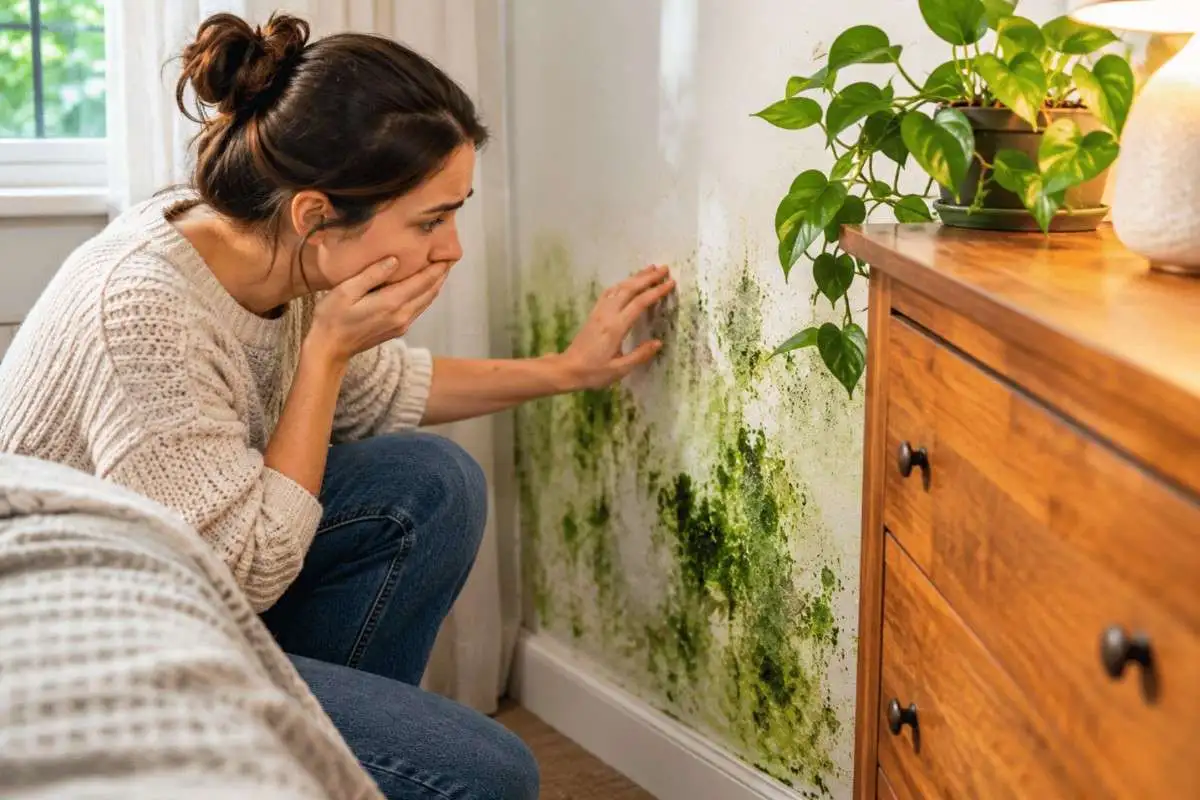
You might have noticed that some areas of your home stay damp longer than others. Your bathroom walls, for instance, might still feel moist hours after a shower, or the space beneath your kitchen sink might have a persistent musty smell. At first, these things are easy to overlook, especially when you don’t find any visible damage. But if the moisture stays there for a long time, you might notice green patches appearing on your walls.
Naturally, you'd want to know what those patches are and if they're harmful to your family. And if it's green mold on walls, you might also wonder if you can clean it yourself or if there's a bigger moisture problem behind the walls. Usually, what you should do next depends on how far it has spread and whether moisture has damaged the affected materials.
If you want to know more, keep reading this blog, where we’ll look at what causes green mold on walls and when you can clean it yourself or need professional help.
|
Spotted Green Mold on Your Walls? Call 866-726-0304 |
What Is Green Mold?
Green mold isn't one specific type of mold. Several types of mold can look green, and you might find them in damp areas of your home, like the bathroom, kitchen, or basement. These are places where leaks, condensation, or poor airflow can leave enough moisture for mold to grow.
Some common types include -
- Aspergillus: Can grow in damp indoor spaces and may appear green, yellow, or other colors.
- Penicillium: Can have a blue-green appearance and can grow on water-damaged materials.
- Cladosporium: Often appears olive-green, brown, or black and can grow on damp walls, wood, and other surfaces.
Because different types of mold can have similar colors, it's difficult to tell which one you're dealing with just by looking at it. And regardless of the type, you'll want to address the growth before it spreads further or causes more damage to your home.
Is Green Mold Dangerous?
Yes, green mold can cause health risks, especially if you have allergies, asthma, or a weakened immune system.
When mold grows indoors, it releases tiny spores into the air. And breathing them in can cause symptoms in some people, including -
- Sneezing, coughing, or a runny nose
- Itchy, watery eyes
- Skin irritation
- Wheezing or breathing difficulties
- Worsening asthma symptoms
Some people might experience no symptoms at all. But others can react even to relatively small amounts of mold.
Some molds can also produce chemicals called mycotoxins. But just because you see green patches on your wall doesn't mean those chemicals are present. That's why it's important to take any indoor mold growth seriously, even if no one in your home is experiencing symptoms.
Also, keep in mind that if the moisture problem continues, the mold can spread and become more difficult to remove.
What Causes Green Mold on Walls?
Green mold grows when excess moisture stays on walls or other surfaces for too long. Mold spores are naturally present in the air, so you can't completely keep them out of your home. But when those spores land on damp surfaces, they can begin to grow, especially if the moisture problem isn't fixed.
Here are some common reasons you might find green mold growing in your home -
1. Plumbing Leaks
A slow leak behind your bathroom wall or beneath your kitchen sink can go unnoticed for weeks. As moisture builds up, it can soak into the drywall and create the damp conditions mold needs to grow. And over time, you may start noticing green patches appearing on the affected surfaces.
2. Poor Ventilation
After a hot shower, steam can leave your bathroom walls and ceiling damp. If there's little airflow to help them dry, the moisture may linger for hours, giving mold a chance to grow.
3. Roof or Window Leaks
If your roof is damaged or your windows aren't sealed properly, rainwater can find its way into your walls. The same can happen if there are cracks in your home's exterior. As the moisture builds up, mold may start growing in those damp areas. You might notice the paint peeling or changing color before you actually see green mold.
4. High Indoor Humidity
Basements, laundry rooms, and poorly ventilated closets often have higher humidity. If indoor humidity stays elevated, mold may begin growing on walls and other surfaces. To reduce the chances of this happening, try to keep your home's humidity between 30% and 50%, and always below 60%.
Where Does Green Mold Commonly Grow?
You may notice mold on painted walls first, but it can also grow on materials beneath the surface. That's why the location matters when deciding how to handle it.
Here’s where green mold commonly grows in your home -
1. Green Mold on Drywall
Drywall can soak up moisture, especially through its paper backing. If mold starts growing beneath the surface, simply wiping away the green patches won't get rid of all of it.
If your drywall feels soft, looks swollen, or has been wet for an extended period, you may need to replace the affected section.
2. Green Mold on Wood
You might find green mold on wood around window frames, cabinets, baseboards, or exposed framing.
If the wood is structurally sound and the mold is limited to its surface, proper cleaning and drying may be enough. But prolonged moisture can also cause wood rot, which requires separate repairs.
3. Green Mold Behind Furniture
Have you ever moved a dresser away from a wall and found green patches behind it? This can happen when furniture sits too close to an exterior wall and blocks airflow.
If moisture collects there, mold can start growing without you even noticing. So, leave a little space between your furniture and the wall to help keep the area dry.
|
Discuss Your Mold Related Concerns - Call 866-726-0304 |
How to Remove Green Mold From Walls Safely
How you remove green mold depends on how far it has spread, where it's growing, and whether the material has suffered water damage. You may be able to clean a small patch on a hard, nonporous surface yourself.
But if the mold covers a larger area or keeps coming back, you may need professional help. Here's how to assess the problem and decide what to do next.
Step 1 - Find the Moisture Source
First, figure out where the moisture is coming from. It could be a leaking pipe, condensation, a roof leak, or poor ventilation. You'll need to deal with that problem first, or the mold may come back even after you clean it.
Step 2 - Check the Size of the Affected Area
If mold covers more than about 10 square feet, the EPA recommends consulting its remediation guidance or hiring a professional. You should also consider professional help if sewage is involved, mold may be inside your HVAC system, or the damage extends behind walls.
Step 3 - Clean Small Areas Properly
If you find a little mold on a hard surface, some detergent and water may be enough to clean it off. But before you get started, grab a pair of gloves, safety goggles, and an N95 mask to protect yourself.
Also, avoid dry brushing the area, as this can send mold spores into the air. And if you're using any cleaning products, never mix bleach with ammonia or other cleaners, since this can release dangerous fumes.
Step 4 - Dry the Area Completely
Once you've cleaned the surface, dry it thoroughly and make sure the original moisture problem has been corrected.
But if mold has spread into porous drywall, insulation, or other absorbent materials, those materials may need removal rather than surface cleaning.
When Should You Call a Green Mold Remediation Professional?
A small patch around a bathroom fixture may be easy to address. But if you keep cleaning the same wall and the mold keeps coming back, there may be a moisture problem you haven't found yet. In such cases, it's better to opt for professional green mold remediation, especially if you notice any of the following signs -
- Mold covers a large area or keeps returning.
- Your walls have suffered extensive water damage.
- You smell a musty odor but can't find the source.
- Mold appears after flooding or sewage contamination.
- You suspect growth behind drywall or inside wall cavities.
A mold remediation professional can check how far the mold has spread, including areas behind walls that you may not be able to see. They can then safely remove the affected materials and take precautions to keep mold spores from spreading to other parts of your home during cleanup.
|
Get Help with Green Mold Removal - Call 866-726-0304 |
How Can You Prevent Green Mold From Coming Back?
Once you've dealt with mold, you'll want to keep it from returning. Fortunately, a few changes around your home can make a difference.
- Run your bathroom exhaust fan during showers and afterward.
- Repair leaking faucets, pipes, and roofing promptly.
- Use a dehumidifier in damp basements.
- Dry water-damaged areas within 24 to 48 hours whenever possible.
- Check behind furniture and beneath sinks for moisture.
- Keep gutters clear so rainwater drains away from your home.
By keeping moisture under control and checking for leaks regularly, you can reduce the chances of green mold returning to your home.
Answering Your Common Questions About Green Mold
1. Is green mold worse than black mold?
Not necessarily. Both green and black mold can cause health problems, and color alone doesn't indicate how dangerous a mold is. You should always address any indoor mold growth regardless of its appearance.
2. Can you paint over green mold?
No. Painting over mold won't remove it or fix the moisture problem. The mold may continue growing beneath the paint, eventually causing it to peel or become discolored. So, you should remove the mold and fix the source of moisture before repainting the wall.
3. How quickly can green mold grow after water damage?
Mold can begin developing within 24 to 48 hours under favorable conditions. That's why you should dry wet building materials as soon as possible after a leak or flood. And if you already have green mold, make sure you remove it properly either with DIY methods or by hiring a professional and also make sure to fix the moisture problem so it doesn't keep coming back.
Takeaway
Finding green mold in your home can be worrying, especially when you're unsure how far it has spread. But the sooner you deal with it, the easier it may be to prevent further damage.
Start by finding and fixing the moisture problem, then check whether the affected area is small enough to clean yourself. If the mold keeps coming back or has spread behind your walls, have a professional take a look before it gets worse.
Read More About:
- Basement Mold Control: Expert Tips on Removal and Prevention
- What Is White Mold and Is It Dangerous?
- Discovered Orange Mold? Learn Causes, Risks & How to Prevent It
- Mold Removal Made Simple: Concrete Floors, Walls & Patios
Protect Your Home With JM Environmental, Inc.'s Mold Remediation Services
Seeing green mold spread across your walls can be stressful, especially when you've already tried cleaning it, and the patches keep coming back. But you shouldn't have to keep wondering whether the problem is getting worse.
At JM Environmental, Inc., we know how upsetting it can be to find mold in your home, especially when you're worried about it spreading. Our BBB-accredited company has an A+ rating, has been in the environmental remediation business since 1994, and holds California Contractor License #693564. So, if you need mold remediation Sacramento, our team can help you deal with the problem and protect your home from further damage. We also offer mold removal Sacramento homeowners can rely on and mold abatement Sacramento property owners trust, and we serve nearby communities in Stockton and Vacaville.
You can reach out to us by calling 866-726-0304. We’ll help you take the first step toward a cleaner, healthier home.