
What OSHA Safety Rules Must Demolition Companies Follow?
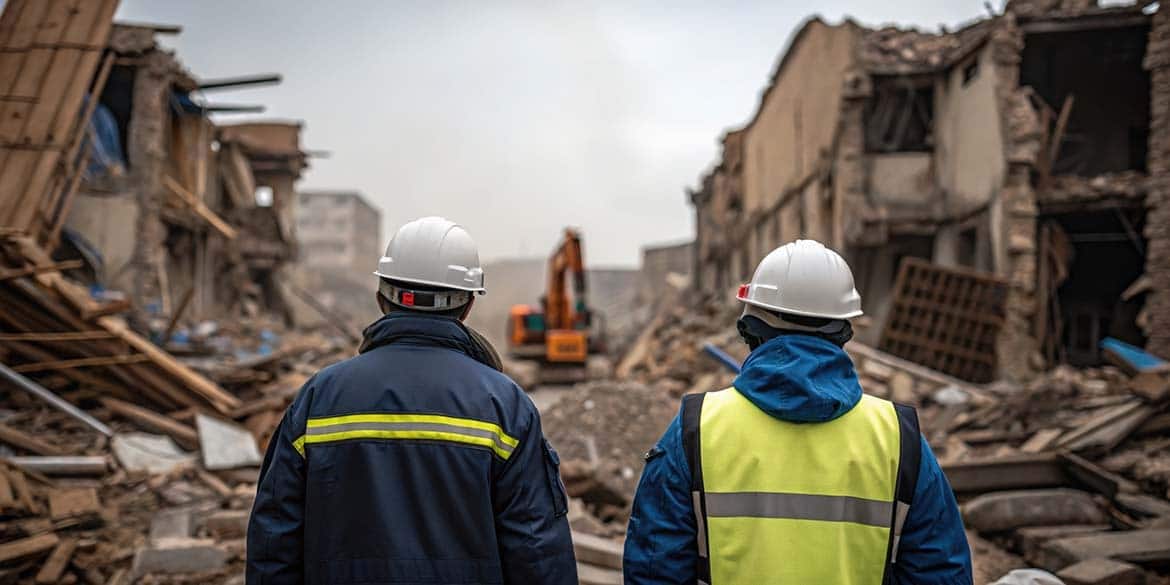
Before you opt for demolition services, your safety and everyone else’s should come first. You want the job done fast, but more importantly, you want it done right, without risks, delays, or unexpected hazards.
That’s why you should always have an idea of OSHA safety rules when hiring a demolition service. These safety rules are basically a few stringent regulations established by the Occupational Safety and Health Administration (OSHA) to protect clients, workers, and the public during demolition projects.
And in this blog, we will explain them clearly so you know exactly what to expect during a demolition.
|
Start Your Demolition Project - Contact Us Now! |
Why OSHA Compliance Matters in Demolition
Most demolition work comprises inherent risks such as falling debris, structural instability, dangerous equipment, and hazardous materials. If the professionals handling the job are not careful enough, it can cause -
- Serious injuries to workers or people nearby
- Unexpected structural collapses causing a lot of damage
- Property damage to the surrounding areas
- Delays that can slow down your entire project timeline
- Legal issues and costly penalties because of non-compliance
- Exposure to hazardous materials affecting health and safety
But there’s a way to solve this problem, which is choosing a company that strictly follows OSHA standards. Various companies are well-trained and OSHA compliant, committed to ensuring exceptional results. If you choose the right team, you’ll experience fewer delays, fewer liabilities, and a stress-free process. Important OSHA Safety Rules for Demolition Projects
Here are some of the important OSHA rules you should know about -
1. Pre-Demolition Engineering Survey
Before any demolition starts, OSHA requires a detailed engineering survey. It looks at the building’s structure, checks for possible risks, and identifies hazardous materials like asbestos, silica, or lead.
If you’re working with a demolition company, you need to make sure this step is completed first. It can help prevent unexpected collapses and reduce the risk of exposure to harmful materials.
2. Hazardous Material Abatement Protocols
Handling hazardous materials is one of the most critical requirements of OSHA. Hence, before the start of structural demolition, all the asbestos-containing materials, lead-based paint, and other toxic substances must be properly abated.
Reputable demolition companies have specially trained employees to manage such materials while following all state and federal regulations. They also use critical barriers and engineering controls to isolate work areas, thus making sure the hazardous materials do not contaminate the external environment.
3. Fall Protection Systems
Fall protection for workers at a height of 6 feet or more on construction and demolition sites is a mandate according to OSHA. This includes guardrail systems, personal fall arrest systems, and safety nets. To ensure this, you should always work with demolition contractors who strictly follow OSHA safety standards, especially when working on selective demolition projects or multi-story structures.
4. Proper Debris Disposal and Containment
According to OSHA regulations, debris should be removed in a controlled manner to prevent the risk of unwanted injuries. When you work with a reputable demolition company, they follow strict containment procedures, including packaging waste into 6-millimeter poly bags before removing it from the work area. This ensures that the rest of the structure stays dust- and debris-free throughout the process.
5. Equipment and Machinery Safety
It is important to use demolition equipment in a safe manner, including tools like excavators with grappling thumbs, concrete hammers, and pincher claws.
OSHA also requires regular equipment inspections, proper operator training, and the use of safety features like cameras. This can help operators maintain proper visibility and control during the demolition process.
6. Site Control and Communication
Other important aspects, such as using site control equipment, including cones, signage, caution tape, and ground covers, are strongly emphasized by OSHA. This ensures that the work zone is accessible only to authorized personnel. Also, other factors such as regular communication and quality workmanship are important in ensuring a smooth and well-managed demolition process.
7. Emergency Action Plans
A well-written emergency action plan must be put in place at every demolition site. This comprises evacuation procedures, first aid resources, and emergency contact numbers. This can ensure a swift and well-organized response if something goes wrong.
|
Get Professional Demolition Support – Contact Our Experts Now! |
Answering Common Questions About Demolition Safety
1. What is a pre-demolition engineering survey, and why is it required?
OSHA requires the submission of a pre-demolition engineering survey, which is an assessment done before the start of any demolition work. This is an evaluation of the structural condition of the building, identification of potential hazards, and detection of the presence of other toxic materials such as asbestos, lead, or silica.
This step helps prevent unexpected structural failures during the demolition process. It also allows contractors to plan the project safely and address risks before any work begins.
2. How do demolition contractors handle hazardous materials like asbestos and lead?
The toxic materials, like asbestos and lead, are properly abated before the start of structural demolition. Some of the best contractors, like JM Environmental, Inc., have well-trained workers who stick to strict federal and state regulations during the entire process.
The work areas are isolated using critical barriers and engineered controls. Next, the harmful materials are removed, packaged in appropriate containers such as 6-millimeter poly bags, and later disposed of in accordance with environmental guidelines.
3. What should I look for when choosing demolition contractors?
When selecting demolition contractors, look for the following -
- Experience in dealing with complex projects and toxic material abatement
- Knowledge of modern equipment, PPE, and site control measures
- Proper communication and strong safety protocols
- Professionalism and attention to detail
Takeaway
As you can see, OSHA safety rules are more than just bureaucratic requirements. They are life-saving protocols built on decades of industry expertise.
Whether you’re planning a structural removal, mold remediation, selective demolition, or fire debris cleanup, you need to choose a contractor that follows OSHA rules properly.
When you choose the best demolition company, you get services that combine technical expertise with an unwavering commitment to safety, helping protect your investment and everyone involved.
Read More About:
- Demolition Takeoffs 101: How to Get Accurate Estimates
- Key Insights on Demolition for Accessory Dwelling Units in California
- Rebuild or Renovate? Discover What Truly Boosts Property Value
- Demolition or Deconstruction? Compare Costs, Timelines, and Benefits
JM Environmental, Inc. - The Best Choice for Safe Demolition
If you're planning a demolition project, you can work with JM Environmental, Inc., a leading demolition company in Vacaville. When you hire us, you’ll work with professionals who prioritize safety, follow strict OSHA standards, and handle every step of the process with professional care and attention.
Call JM Environmental, Inc. at 866-726-0304 to book a free estimate and see why we are one of the most trusted demolition companies across Northern California.