
Demolition Takeoffs 101: How to Get Accurate Estimates
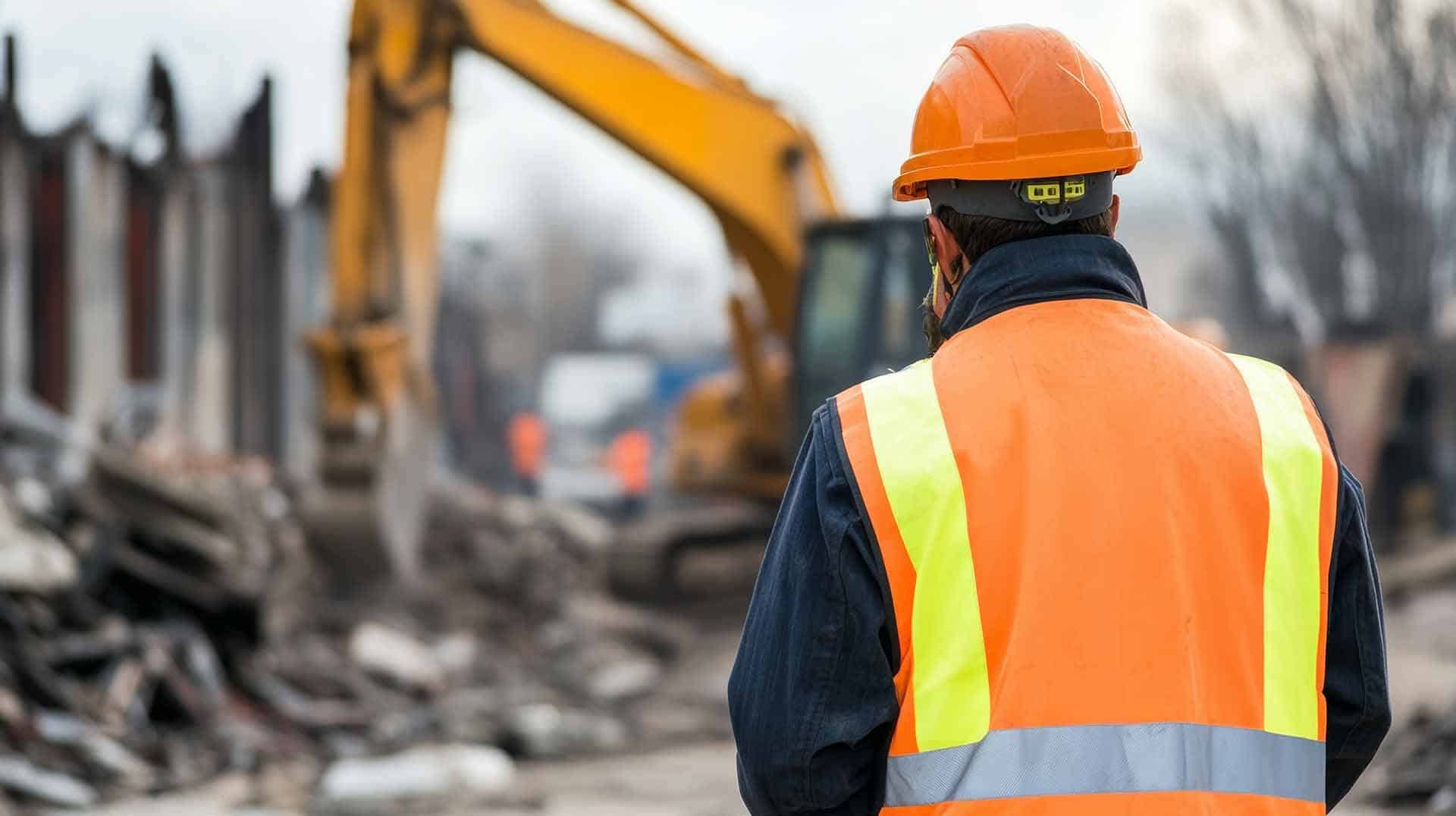
If you’re planning a demolition project, you must have heard about demolition takeoffs. It sounds technical, and you may not have any idea of it. But it's your roadmap to avoiding budget blowouts and project delays.
Most property owners don’t even know what that means until they receive wildly different quotes from contractors. A trusted demolition contractor will always present you with the demolition takeoff before initiating the demolition project. So, you need to understand all its aspects before signing any demolition contract.
In this blog, we’ll break down the demolition takeoff in detail. Stay tuned!
|
Get Accurate Demolition Takeoffs - Contact Us Today! |
What Is a Demolition Takeoff?
A demolition takeoff is the process of measuring and calculating everything that needs to be removed from a structure before demolition begins. It tells the exact quantities of materials, structures, and labor required to complete a demolition project.
Before any equipment arrives on site, demolition contractors calculate -
- Square footage of the structure
- Types of materials (wood, concrete, steel, brick, etc.)
- Volume of debris that needs hauling
- Equipment requirements
- Labor hours
- Disposal costs
Why Is Demolition Takeoff Important?
When you contact different demolition companies, you may notice that the estimates vary significantly. That’s why it’s important to understand what’s included in each proposal. A demolition takeoff outlines the full scope of the project in detail before any work begins. A proper demolition takeoff helps -
- Prevent underbidding or overbidding
- Avoid unexpected change orders
- Accurately estimate debris removal
- Plan equipment usage efficiently
- Guarantees compliance with local regulations
California has strict rules about waste disposal and environmental safety. A professional demolition company understands how to include those requirements in the demolition takeoff from the beginning, so you don't have to face the burden of surprise costs later.
What Are the Different Types of Demolition
Some demolition projects need to remove only specific parts of a building, while others require full structure removal, including foundations. You must be clear about this before speaking with a demolition service provider. This will save you time and prevent any confusion later.
1. Selective Demolition
If you want to remodel a section of your property, choose selective demolition. In this method, walls, flooring, ceilings, fixtures, or some particular structural sections are removed, while the rest of the building stays the same. It requires careful planning, material separation, protection of the remaining structure, and more manual labor. The takeoff here should be more detailed because accuracy is important in selective demolition.
2. Complete Demolition
When the purpose is to remove the entire structure, and in many cases, the foundation too, complete demolition is used. While the overall scope is simple and clear, it requires heavy machinery, generates large amounts of debris, and involves multiple hauling trips.
Because of that, the takeoff focuses heavily on equipment time, debris weight, transportation, and disposal planning. In many cases, complete demolition also demands proper permits and utility disconnections before work begins.
If you’re not sure, contact a trusted demolition service to assess your property. They’ll also explain how each option affects labor, equipment, permits, and disposal costs. This helps you know exactly what you’re paying for.
What Are the Main Methods of Demolition?
The way a building is taken down plays a big role in how the estimate is prepared. It impacts everything, including the equipment needed, the crew size, and how much debris will need to be removed.
- Mechanical Demolition is very commonly used to tear down the full structure. It uses heavy equipment like excavators and hydraulic breakers.
- Deconstruction/Dismantling is more commonly used for remodelling or selective demolition. The professionals carefully remove the structures so they can be reused or recycled.
- Explosive Demolition (Implosion) is used to demolish large buildings or industrial structures with the help of explosives under expert supervision.
What Goes Into a Professional Demolition Takeoff?
Once the demolition type and method are selected, the detailed takeoff begins. A reputable demolition company will include all the necessary details in their demolition takeoff.
1. Reviewing Project Plans and Site Conditions
Every project starts with reviewing architectural drawings (if available) and inspecting the site. They will ask a few questions.
- Is this a full structural demolition or selective demolition?
- Are there shared walls or nearby structures?
- Are utilities properly disconnected?
- Is there hazardous material like asbestos or lead?
2. Measuring Quantities Accurately
Professionals measure all the necessary details required during the demolition process.
- Total square footage
- Wall heights and thickness
- Concrete slab depth
- Roof structure size
- Foundation volume
3. Identifying Material Types
Different materials mean different disposal methods. So professionals also analyze the material used.
- Wood framing
- Drywall
- Concrete
- Brick and masonry
- Structural steel
- Roofing materials
- Insulation
Because disposal costs vary by material type and weight. Recycling opportunities can reduce costs. Experienced demolition contractors know how to separate and calculate these materials properly to reduce waste and save costs.
4. Estimating Equipment Needs
Demolition equipment isn’t one-size-fits-all. Depending on the structure, the demolition team may need different equipment.
- Excavators
- Skid steers
- Hydraulic breakers
- Dump trucks
- Concrete crushers
Overestimating equipment increases cost. Underestimating delays the project. A detailed takeoff is designed to make sure the right machines are scheduled for the right duration.
5. Calculating Labor Requirements
Labor is often one of the largest cost factors. Takeoffs estimate all the related factors.
- Crew size
- Project duration
- Specialized technicians (if needed)
- Safety supervision
In California, labor and safety rules are strict. Professional contractors include all these requirements in their planning, not just the number of workers needed.
6. Debris Removal and Disposal Planning
This is one of the biggest cost factors. A professional takeoff estimates -
- Total debris volume (cubic yards)
- Number of haul trips required
- Recycling opportunities
Common Takeoff Mistakes That Increase Costs
Inexperienced contractors generally don't take the same care while preparing the demolition takeoff and make some common errors.
- Ignoring hidden structural elements
- Underestimating foundation depth
- Failing to account for waste disposal costs
- Overlooking hazardous material inspections
- Not factoring in permit requirements
These mistakes often lead to change orders midway through the project, which could be frustrating for the property owners.
|
Need Reliable Demolition Estimates? Contact Us Now! |
Frequently Asked Questions
1. How long does it take to prepare a demolition take-off?
For small residential projects, it often takes a few hours to a day. Larger commercial projects can take more days depending on complexity. Experienced demolition professionals can complete the process much faster because they know what to look for during site inspections and measurements.
2. What is Green Demolition?
It's a huge part of our takeoff process! Instead of throwing everything in a landfill, professionals identify what can be recycled. This approach is better for the environment and can sometimes lower overall costs, since recycling fees are often less than landfill disposal fees.
3. Can demolition costs change after the project starts?
Yes, costs can change, but only if hidden issues are discovered after work begins, such as deeper foundations, unexpected structural materials, or hazardous substances.
Experienced professionals reduce this risk by performing a detailed site inspection and preparing a proper takeoff before starting the project.
Takeaway
Demolition is not about tearing down a building or structure. It’s more about planning carefully before the first wall comes down. A well-prepared demolition takeoff protects your budget, timeline, and peace of mind.
If you’re considering hiring a demolition company, make sure your contractor prepares a detailed, transparent takeoff. Because when the numbers are right from the beginning, the entire project runs more smoothly.
Read More About:
- Demolition or Deconstruction? Compare Costs, Timelines, and Benefits
- Is Demolition Really Easy? Let’s Uncover the Truth
- Underground Demolition: Safe Removal of Foundations, Tanks & Concrete
- Key Insights on Demolition for Accessory Dwelling Units in California
Ready to Start Your Demolition Project the Right Way? Contact JM Environmental Inc.
If you’re planning a demolition project and looking for experienced demolition contractors in Vacaville, JM Environmental Inc. is here to help.
With over 30 years of experience, we’ve been constantly improving our takeoff process. We know the local Vacaville codes and are familiar with the local conditions, landfill facilities, and recycling centers here.
Whether you need a selective interior demolition or a full-scale building removal, we’re here to get the numbers right so you can move forward with confidence.
Our demolition services are safe and reliable. Call us at 866-726-0304 to get a free estimate!