
Mold in HVAC & Air Ducts: Signs, Health Risks & Safe Cleaning
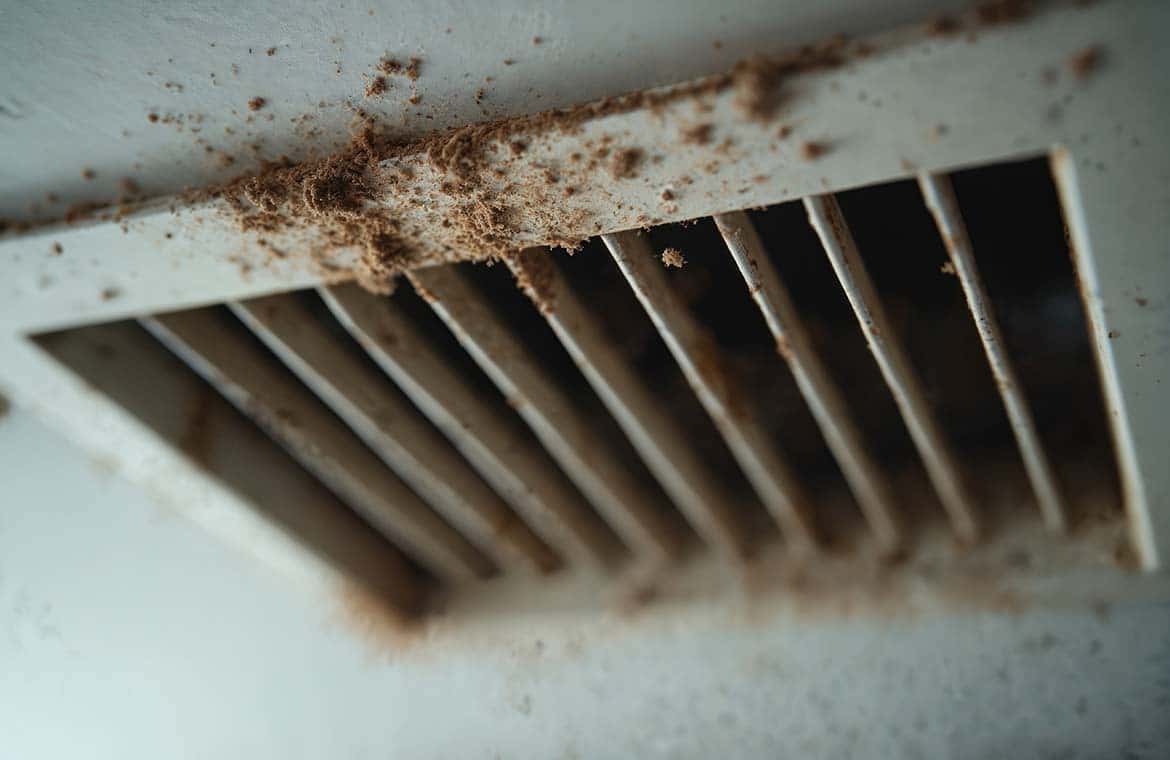
When you return home after a long and hot afternoon, you need that refreshing blast of cool air. But what if, as you turn on the AC, you catch a whiff of something musty blowing from the vents?
The most common reason behind this could be the mold creeping into your HVAC system. Mold in HVAC systems and air ducts is more common than most homeowners realize. Because ductwork is dark, enclosed, and often damp, it provides the right conditions for mold growth. The scary part? You may be breathing it in every day without knowing it.
This blog explains how mold gets into your vents, why it’s a problem for homeowners, and how you can get rid of mold effectively, including the importance of mold removal.
|
Don’t Ignore HVAC Warning Signs - Get Expert Help Now! |
Why Does Your HVAC System Make a Perfect Space for Mold Growth?
Mold needs moisture, warmth, and organic material to survive and grow. Unfortunately, HVAC systems provide all three.
- As your AC cools the air, moisture collects on the evaporator coils. If the drainage system is even slightly clogged, that water sits there, inviting mold to grow.
- Even if you regularly clean your home, dust (which contains skin cells and pollen) settles in your ducts and acts as food for mold.
This problem is more common. Long periods of valley heat force AC systems to run for hours, creating extra moisture inside the system. When that moisture mixes with humidity or small duct leaks, the dark interior of the ducts becomes a perfect ground for mold to grow.
How to Know if You Have Mold in Your Ducts?
1. Musty or Earthy Odors
The most common sign is a musty or mildew-like smell that gets stronger when you turn on your AC. If the smell disappears when the system is off, that means mold or mildew is inside your HVAC unit or the ducts.
2. Allergy Symptoms That Get Worse Indoors
Do you notice itchy eyes, skin irritation, or breathing problems that improve when you leave the house? Mold spores in your HVAC system often trigger such allergic issues.
3. Visible Mold Near Vents
If you see black, green, or brown spots on the walls or ceiling, don’t just wipe them away. These surface spots are the sign of a bigger mold colony hidden deeper in the ducts.
4. Excess Humidity or Condensation
If your vents sweat, windows fog up, or rooms feel damp when the HVAC is running, it can be a sign that moisture is building up inside the system and fueling mold to grow there.
5. Unexplained Fatigue or Respiratory Issues
If you feel unusually tired or have breathing issues at home, poor indoor air quality caused by mold in the HVAC system could be the reason behind it.
Why Is Mold in HVAC Systems a Serious Risk?
Mold in HVAC systems not only affects air quality, but it can also impact both your health and home, often at the same time.
Health Risks
- Triggers asthma and allergy flare-ups.
- Causes frequent sinus infections
- Leads to skin irritation and rashes
- Can cause headaches and brain fog
- Higher risk for children, seniors, and immunocompromised individuals
Damage to Your Home
- Mold can spread into drywalls, insulation, and ceilings
- Duct liners may need to be removed or replaced
- Airflow gets restricted, lowering HVAC efficiency
- Moisture problems often get worse over time
- Delayed repairs lead to higher remediation costs
The Problem With DIY Mold Removal in HVAC Systems
When people spot signs of mold presence, they often try DIY solutions like bleach, chemical sprays, or vacuuming the vents. But these solutions can make the problem worse instead of solving it.
- Bleach is applied in liquid form as the bleaching powder is mixed with water. It only cleans the mold you often see on hard surfaces, but it doesn’t reach mold deep inside ducts or insulation. Moreover, the moisture from bleach can actually feed the mold left behind, allowing it to grow back stronger.
- Vacuuming or spraying chemicals inside ducts can also disturb mold colonies. When that happens, tiny mold spores are released into the air and pushed throughout your home every time the system runs.
Proper mold removal is much more than just cleaning. It needs containment, HEPA filtration, moisture control, and specialized tools made for HVAC systems. That’s why certified mold remediation follows strict safety steps, because mold in ductwork can’t be safely handled with household cleaners.
|
Mold-Free Living Starts Here - Contact Expert Mold Remediation! |
What Are the Safe Strategies for Mold Abatement ?
If mold is suspected in your HVAC system, you must call the professionals to inspect the ducts and safely remove mold from inside. They follow a strict protocol to make sure the spores don't move from your ducts to your carpet.
|
Step |
How It Works |
|
Inspection & Containment |
Using specialized cameras, they check deep inside ducts and seal the work area to prevent spores from spreading. |
|
HEPA Filtration & Negative Air Pressure |
High-powered vacuums create negative pressure, capturing mold and dust with HEPA filters instead of letting them enter living spaces. |
|
Mold Removal & Cleaning |
Professionals use special tools to remove mold from ducts and clean the HVAC components with safe, EPA-approved products. |
|
Prevention & Protection |
An experienced mold removal team applies anti-microbial coatings to reduce the risk of mold returning in humid areas. |
How to Prevent Mold from Returning?
Once mold is removed, prevention becomes most important.
- Replace HVAC filters regularly
- Schedule annual HVAC inspections
- Keep indoor humidity below 50%
- Fix leaks immediately
- Make sure there is proper drainage around AC units
Frequently Asked Questions
1. Can I clean my own ducts?
You can wipe down vent covers, but cleaning deep inside the ducts is not a DIY job. Proper removal requires industrial vacuums and special tools to loosen mold. Trying it yourself usually just spreads mold spores into your furniture and carpets instead of removing them.
2. How much does mold remediation cost?
It varies based on the size of your home and the extent of the growth. However, catching it early is always cheaper than replacing entire sections of contaminated ductwork later.
3. How long does the process take?
Most residential HVAC mold removals can be completed in a single day, depending on the complexity of the ductwork. Hiring trained professionals makes sure that the job is done safely and thoroughly, preventing mold from spreading back into your home.
Takeaway
Mold in HVAC systems doesn’t fix itself. The longer it stays hidden, the more damage it can cause to your health, comfort, and home. If you suspect mold growth inside your HVAC system, don't wait for the symptoms to get worse.
Getting professional help early can save you stress, money, and unnecessary exposure.
Read More About:
Breathe Easy With JM Environmental Inc. - The Leading Mold Abatement in Sacramento!
At JM Environmental Inc., we specialize in complete mold removal in Sacramento. We don’t just clean, we remove mold at the source, so that your family can breathe clean, fresh, and spore-free air.
With over 30 years of experience in mold remediation, we are locals' first choice for HVAC mold inspection and removal. Our trained professionals handle every job safely and effectively.
Call us at 866-726-0304 to get a free estimate!