
Strategies to Avoid Mold Growth Post-Flood
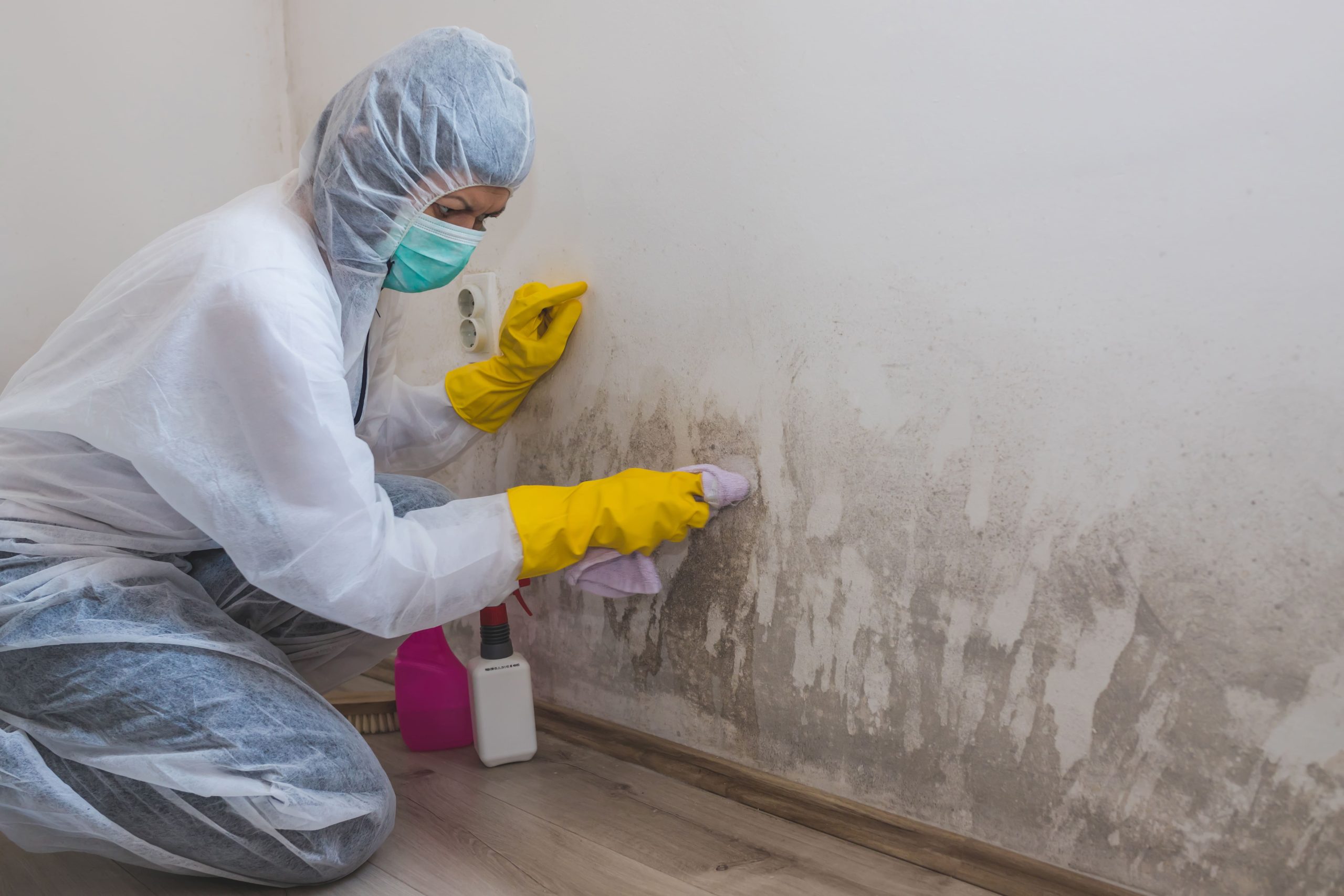
When you finally step back into your home and resume your daily activities after a flood, you could be thinking to yourself, "The worst is over." But is it really so? Well, maybe the stagnant water isn't a threat anymore, but now you could be facing another big issue - molds!
These silent intruders love to hide in the dark corners of your room and can spread quite fast. And before you look for solutions, molds can:
- Weaken your wooden structures, drywall, and insulation
- Cause allergic reactions and a musty smell in your home
- Lead to costly repairs.
Trust us, you don't wanna deal with all of that! That's why we'll tell you the best ways through which you can prevent mold growth in your home after flood damage!
|
Restore Your Home’s Safety — Call for Certified Mold Abatement Services! |
Different Types of Mold and Why You Shouldn't Ignore Them
You can find different types of molds in nature. Some will only give you a stuffy nose, while others can seriously impact your health. And knowing the type of mold, how, and where they grow in your home will help you figure out which method will be the best to treat or prevent them!
| Mold Type | What It Means | How Harmful Is It? |
|---|---|---|
| 1.Allergenic | Will cause mild allergic symptoms, like sneezing, a runny nose, or itchy eyes. | Not too harmful, but it can be irritating for people with asthma |
| 2.Pathogenic | Can affect people with chronic illnesses or compromised immune systems. | Comparatively serious, as it can cause infections |
| 3.Toxigenic | Can produce harmful toxins. | Very harmful, and you'll need to call the pros for help. |
Initially, some of these health problems won't seem too serious, but they can have long-term health effects. And that's exactly why you need to stay proactive!
When and Where to Start Mold Prevention After Flood Damage?
When your aim is to prevent mold growth in your home after a flood, knowing "where" and "when" you need to act is just as important as knowing “how”. You'll notice mold growing in your home within 24-48 hours after water damage.
So, you'll need to check these areas as soon as the floodwater decreases and continue checking at regular intervals for at least two weeks.
- Basements and crawl spaces, where moisture can get trapped for a long time, causing the problem of mold.
- Attics where roof leaks can allow water to seep in and invite mold.
- Below your home’s carpets or between siding panels.
- HVAC systems where mold can grow in ducts when they get damp after a flood.
- Kitchens and bathrooms, where there's high humidity, which is perfect for mold growth.
When you target these areas promptly, you'll not have to face the problem of mold in your property after flood damage!
How Can You Prevent Mold-Growth After Flood Damage?
Let's explore the possible ways you can prevent mold in your home after flood damage:
- Airing the room: After the flood is over and the sun is out, you can open the rooms and air them out to release the trapped moisture. Proper ventilation is the most important step toward preventing mold growth.
- Discarding possible breeding grounds: You need to get rid of porous or absorbent substances such as sponges, ceiling tiles, and papers. JM Environmental offers excellent asbestos abatement services to ensure the restoration of your house’s sanctity.
- Wash and disinfect exposed surfaces: Do not forget to clean, disinfect, and dry the exposed surfaces as soon as possible to prevent bacteria and mold from growing.
- Use a dehumidifier- If you live in a flood-prone zone or a cyclone-affected region, you probably already know about a dehumidifier. You can use a dehumidifier or fans for proper air circulation. It will balance the humidity around you to ensure mold doesn’t grow.
- Inspecting drainage and water sources: You can check the drainage system, roof leaks, and indoor plumbing. Additionally, do not forget to check the water storage, water source, and filtration system, especially pipes, to prevent mold from growing inside.
- You can use mold-resistant products during repairs: If you're repairing or rebuilding your home after flood damage, you can use mold-resistant drywall, insulation, or paints so that you can prevent future mold growth.
- Install new gutters for better water management: You can add gutter guards to keep water away from your home's foundation. This way, the melting snow or rainwater will get collected in the drainage areas safely and prevent moisture from entering your home or basement, and reduce the chance of mold growth.
- Seal the cracks in your walls or foundation: When there are cracks in your walls or foundation, water can continue to seep into your home and cause mold. So, you can inspect your entire home after the flood and look for leaks and seal the gaps properly.
|
Schedule Our Mold Removal Service Right Away. Call Now ! |
How to Protect Your Home From Future Flood-Related Mold
For an added layer of protection from mold, you can try out the following tips!
- Always use water-resistant building materials.
- You can install a sump pump with a battery backup, which can keep your basements and crawl spaces dry during storms.
- You can improve your yard's drainage system and ensure that water doesn't seep into your home.
- You can prevent floodwater from backing up in your home and causing mold by installing backflow valves on your plumbing system.
What Should You Do If You Spot Mold Growth in Your Home?
Mold can be very dangerous for so many of us, especially people with ongoing respiratory issues such as asthma, a weak immune system, or chronic illness, and patients undergoing treatments such as chemotherapy or organ transplants.
So, always call the professionals immediately for mold remediation and mold removal if you find mold spots in your home. This way, you can stop the mold growth in your home before it becomes a major problem!
Questions You Might Have
1. How can I tell if mold is growing behind walls or under flooring?
When you find musty odors, warping drywall, peeling paint, and sudden allergy symptoms, it can mean that mold is growing behind walls or under flooring. If you find yourself in such a situation, call JM Environmental for mold remediation.
2. Can insurance cover mold damage after a flood?
Usually, your standard insurance won't cover mold damage costs, but you can check for flood insurance policies, which can offer you some financial help!
3. Can mold return even after cleaning?
Yes, mold can return even after you clean your home. This can happen if you don't address or cure the underlying problem behind the growth of mold. So, it's best to take professional advice to ensure you don't have to face the problem of mold repeatedly.
Takeaway
One of the most difficult things to deal with after flood-inflicted damage is preventing mold growth. So, you need to stay proactive and take measures like using a dehumidifier, airing the rooms, using mold-resistant materials in your home, and more to prevent the problem permanently. But if it is too late and you are already spotting mold in your home, you can contact a professional mold abatement service.
Read More About:
- Attic Mold in Hot Summers? Prevention and Treatment Guide
- Uncovering the Health Risks of Mold in Schools and How to Stop It
When You Find Mold In Your Property, Count on JM Environmental To Handle It Right!
Our decades of experience in hazardous material abatement and demolition, especially mold removal, and mold abatement in Sacramento, make us the best in the industry. JM Environmental professionals undergo rigorous training to make your safety our top priority.
So, we know how to take care of your mold problems after flood damage without any problem. We have the experience, knowledge, and training to remove mold from your home safely and permanently. Call us, and you can rest assured while we tackle any and every mold problem. Contact us now!
| Explore Our Services: Serving Sacramento, Stockton & Vacavile | ||
| Asbestos Abatement | Demolition Services | Fire Debris Removal & Cleanup |